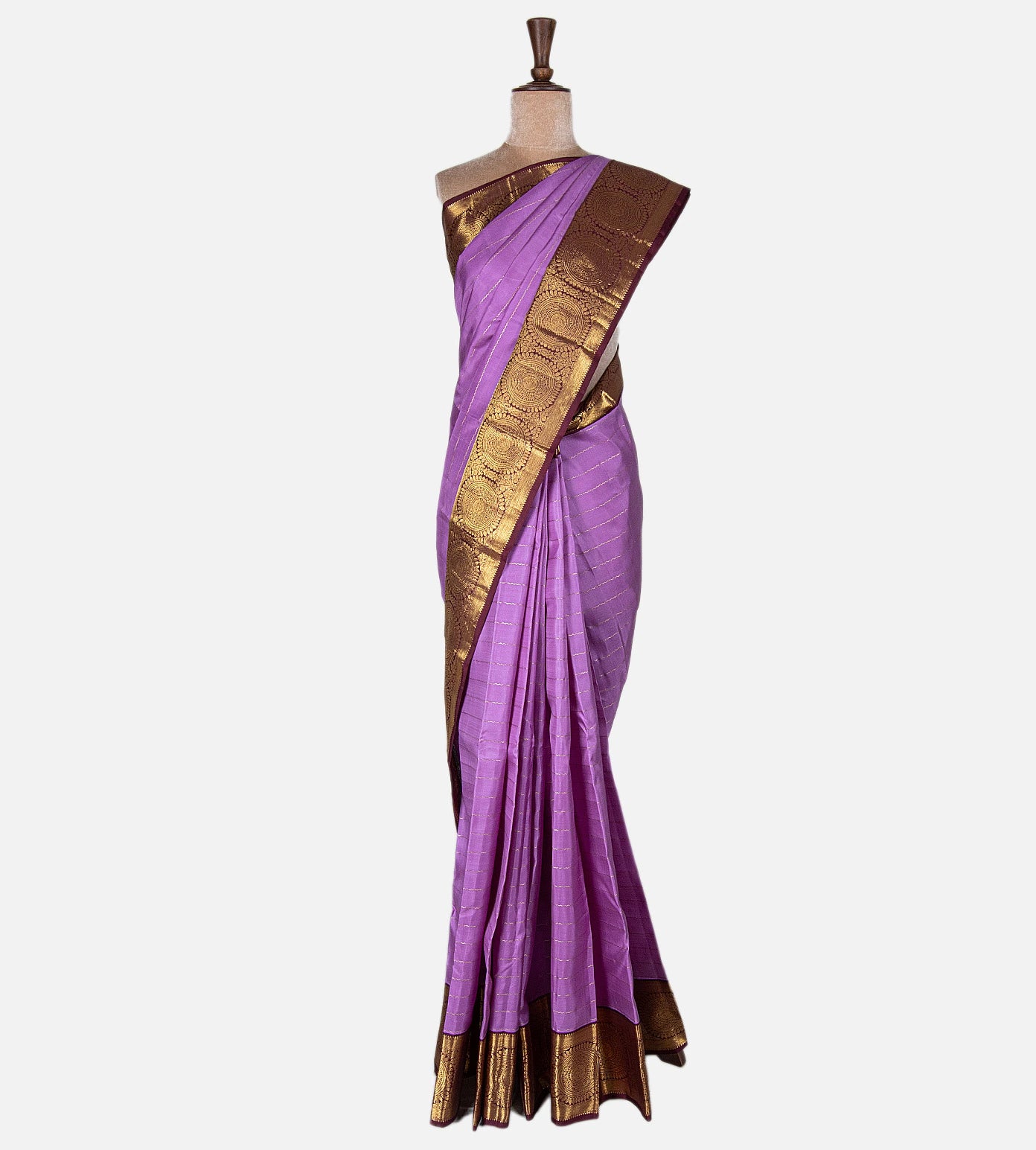
Traditional Kanjivaram Sarees | Traditional Kanjivaram Sarees For Wedding
Some silks fade into the back of a cupboard after one wear. A traditional Kanjivaram saree does the opposite; it gets pulled out again for the next wedding, the next festival, and somehow looks just as striking as the day it was bought. That staying power is really the whole story of this weave.
At Tulsi Madras, we've built a collection of traditional Kanjivaram sarees around exactly that idea: bold zari borders, rich temple motifs, and weaving techniques that haven't changed much in centuries, alongside a few lighter interpretations for those who want the heritage without quite so much drama. If a wedding, a festive occasion, or simply a silk saree is what brought you here, you're in the right spot.
What Exactly Is a Traditional Kanjivaram Saree
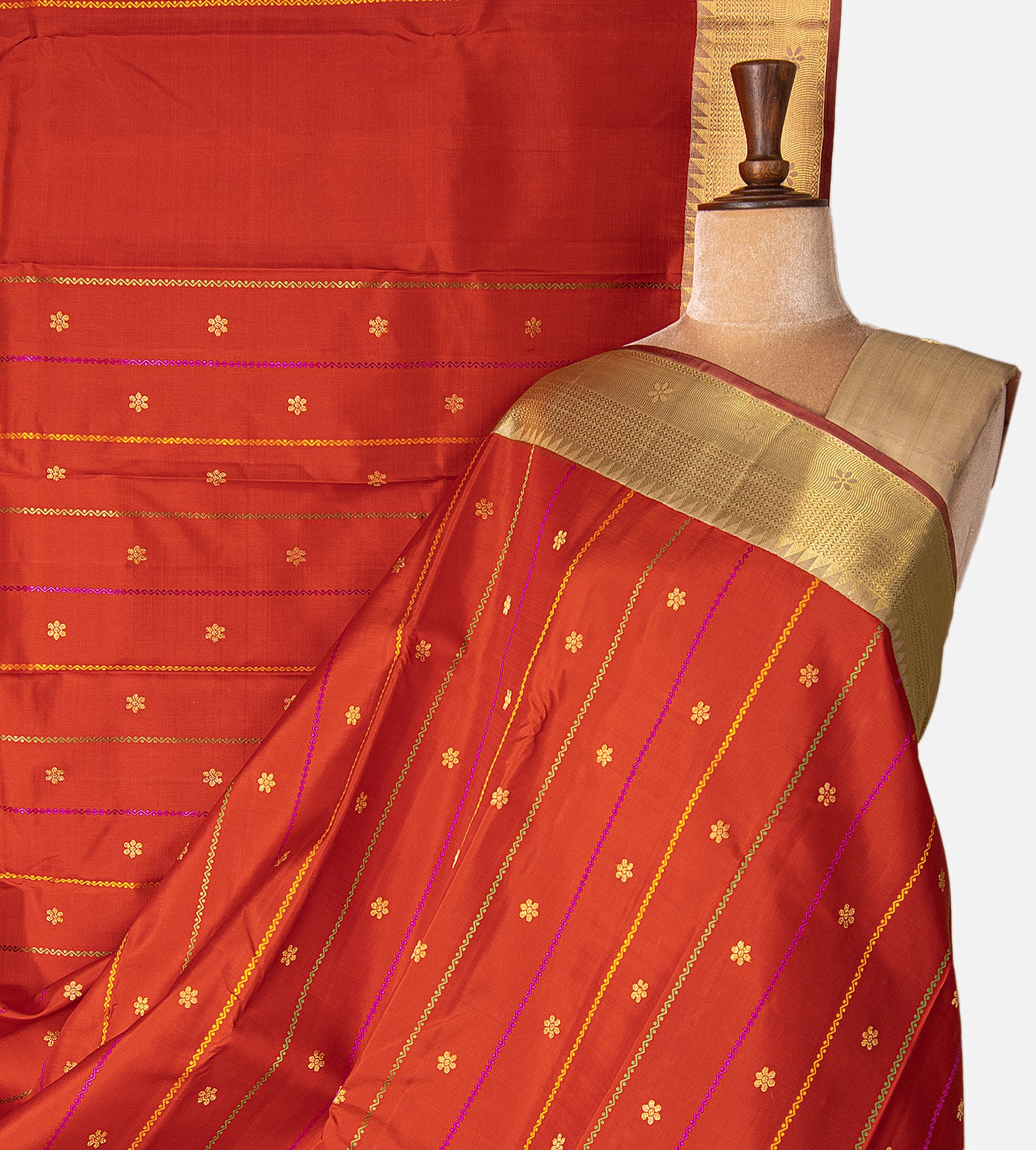
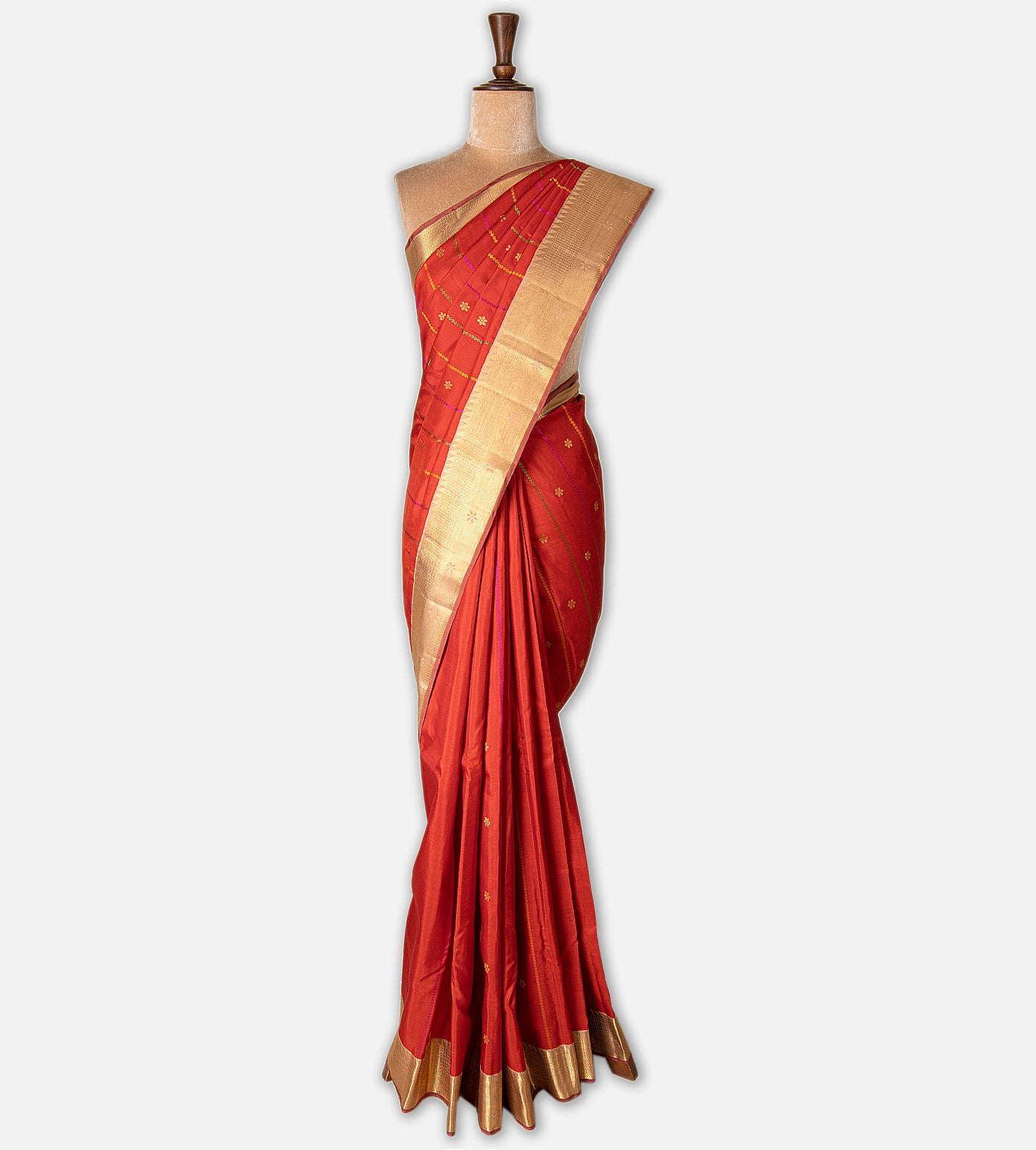
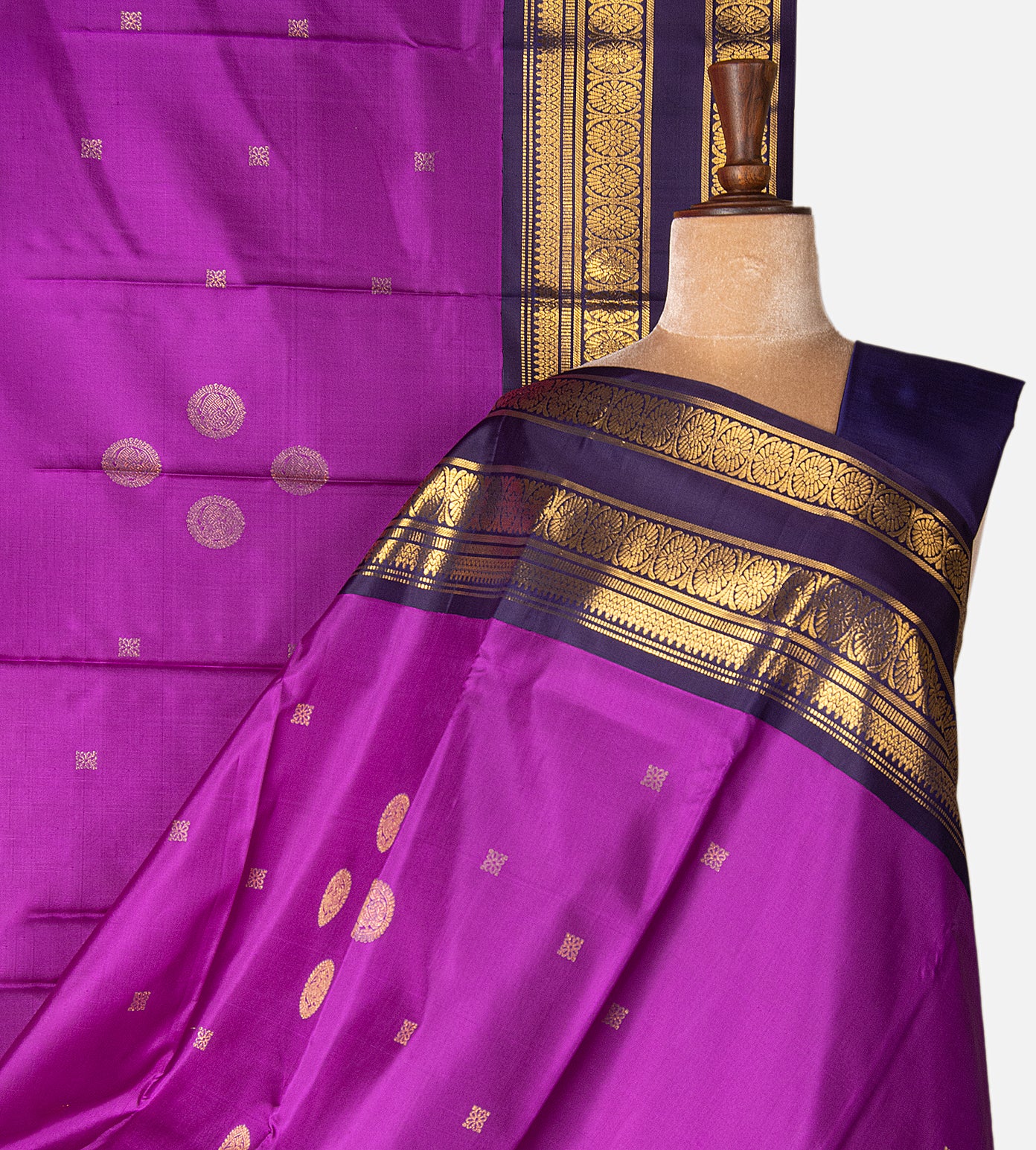
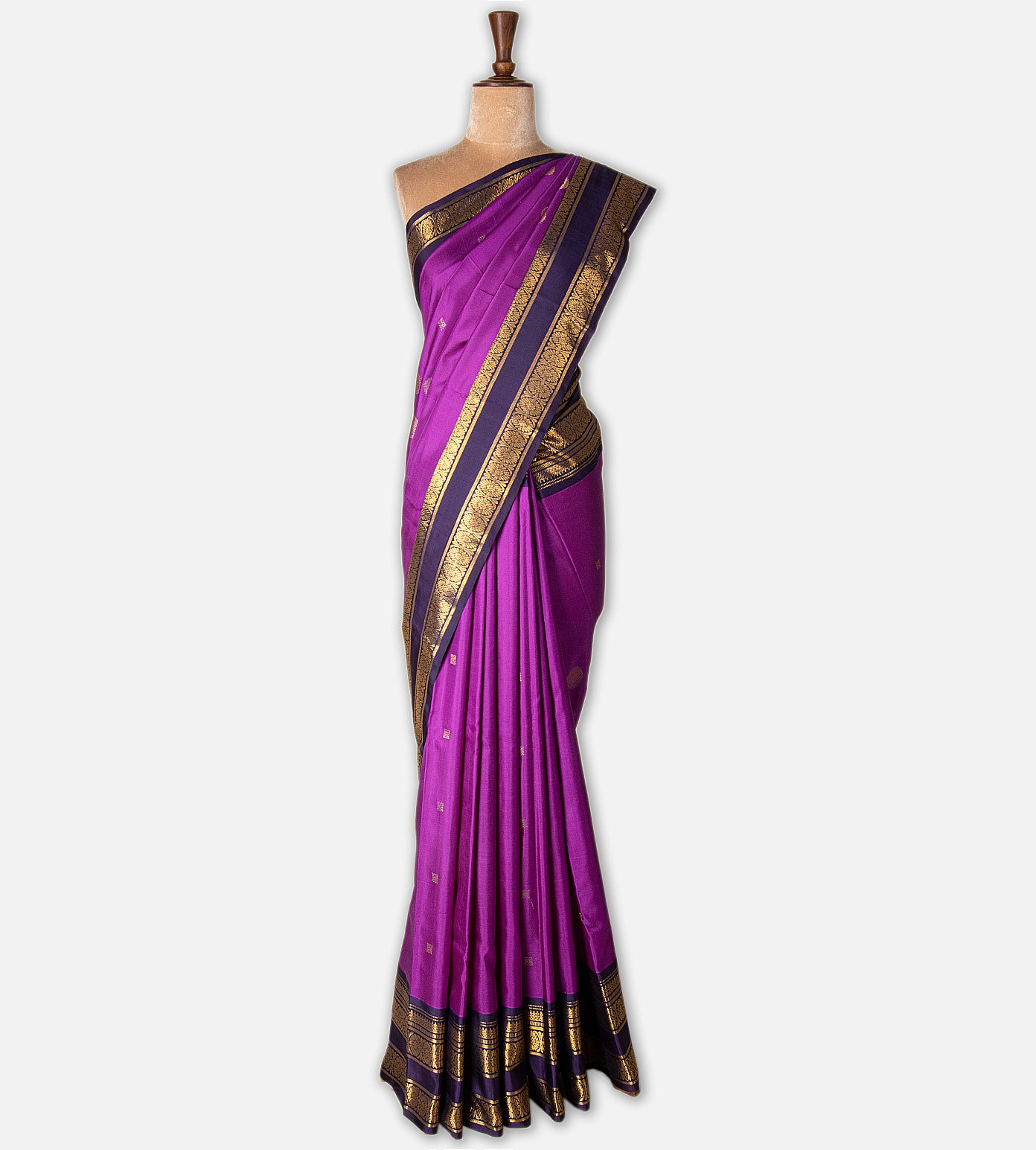
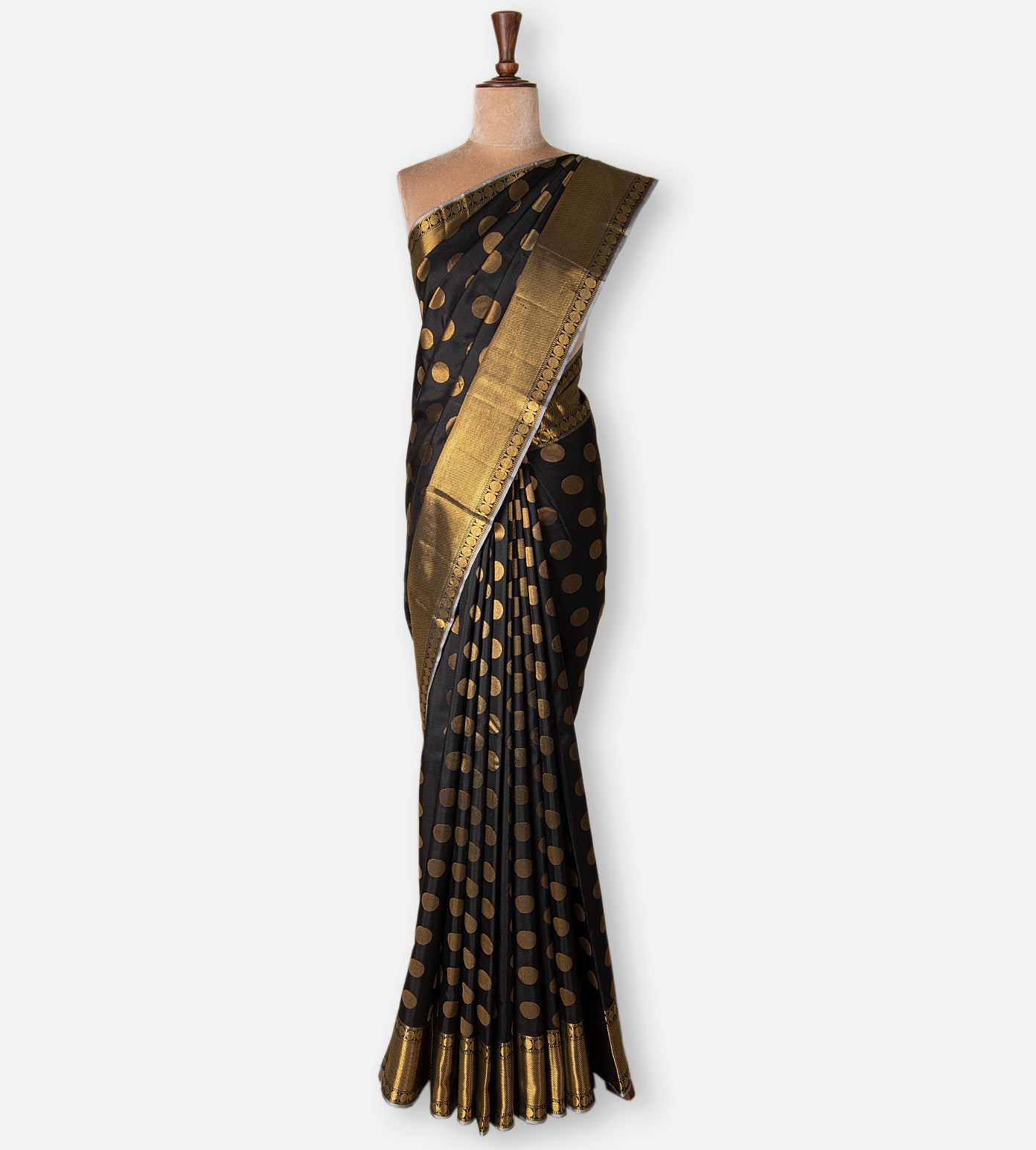
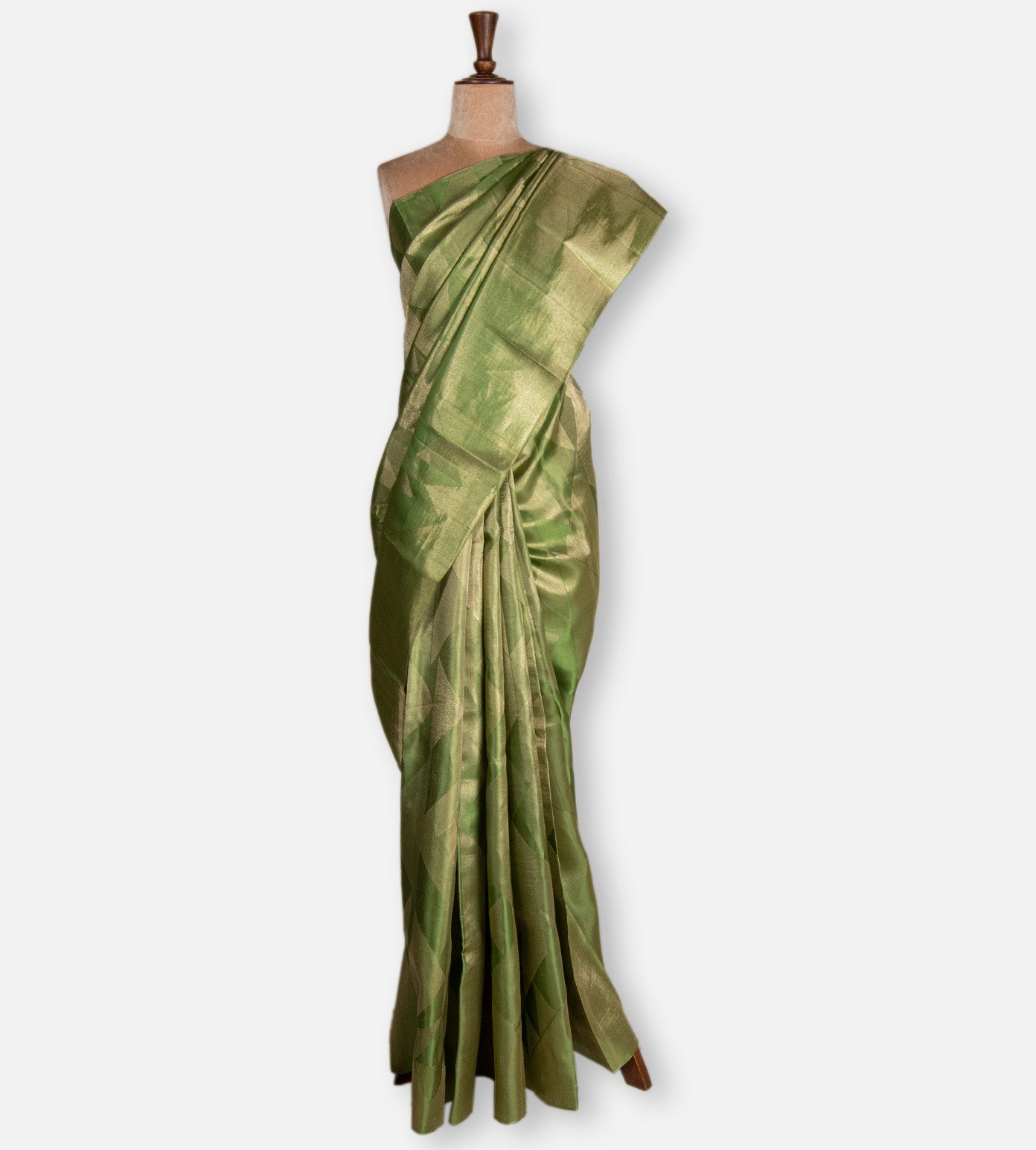
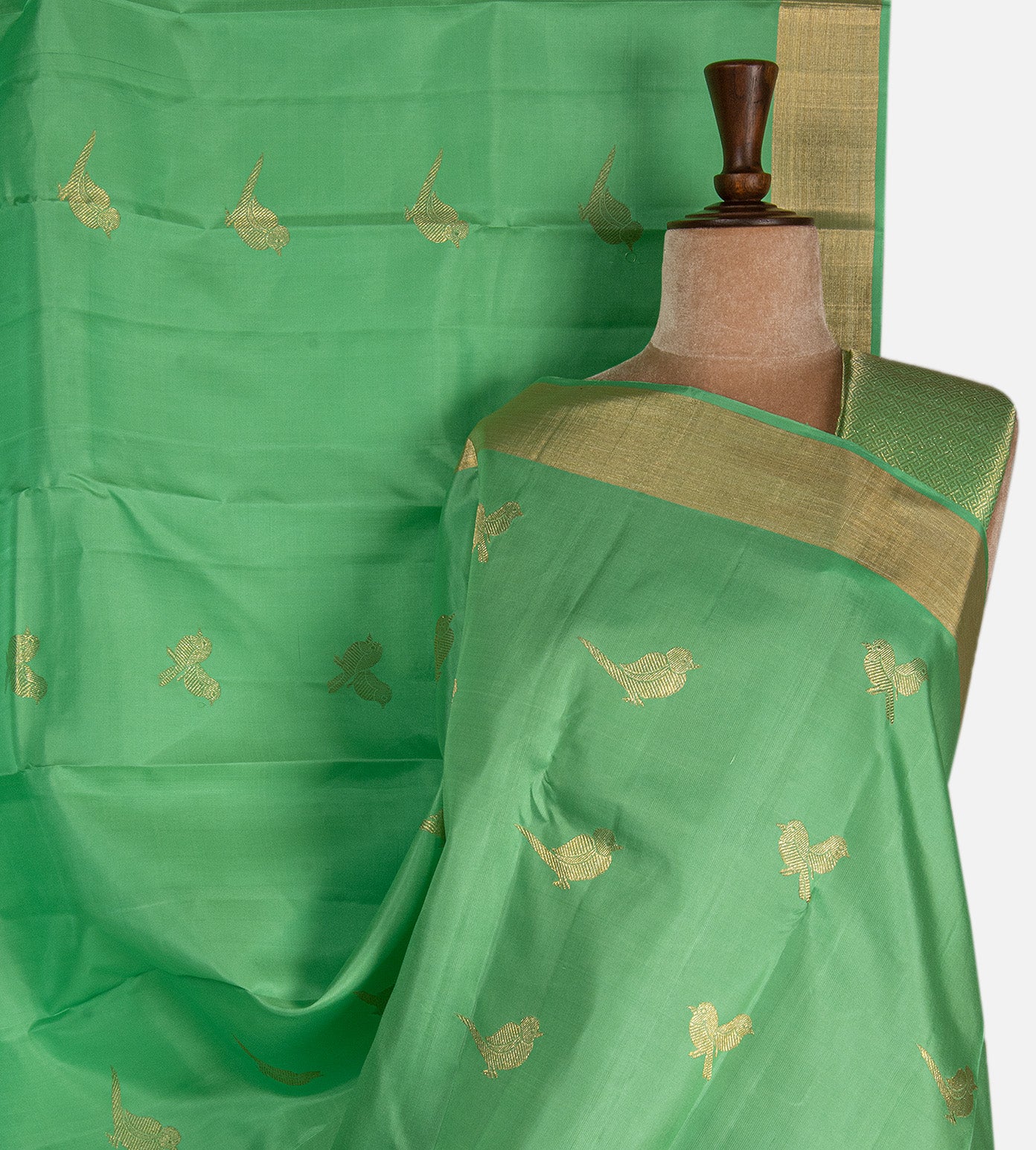
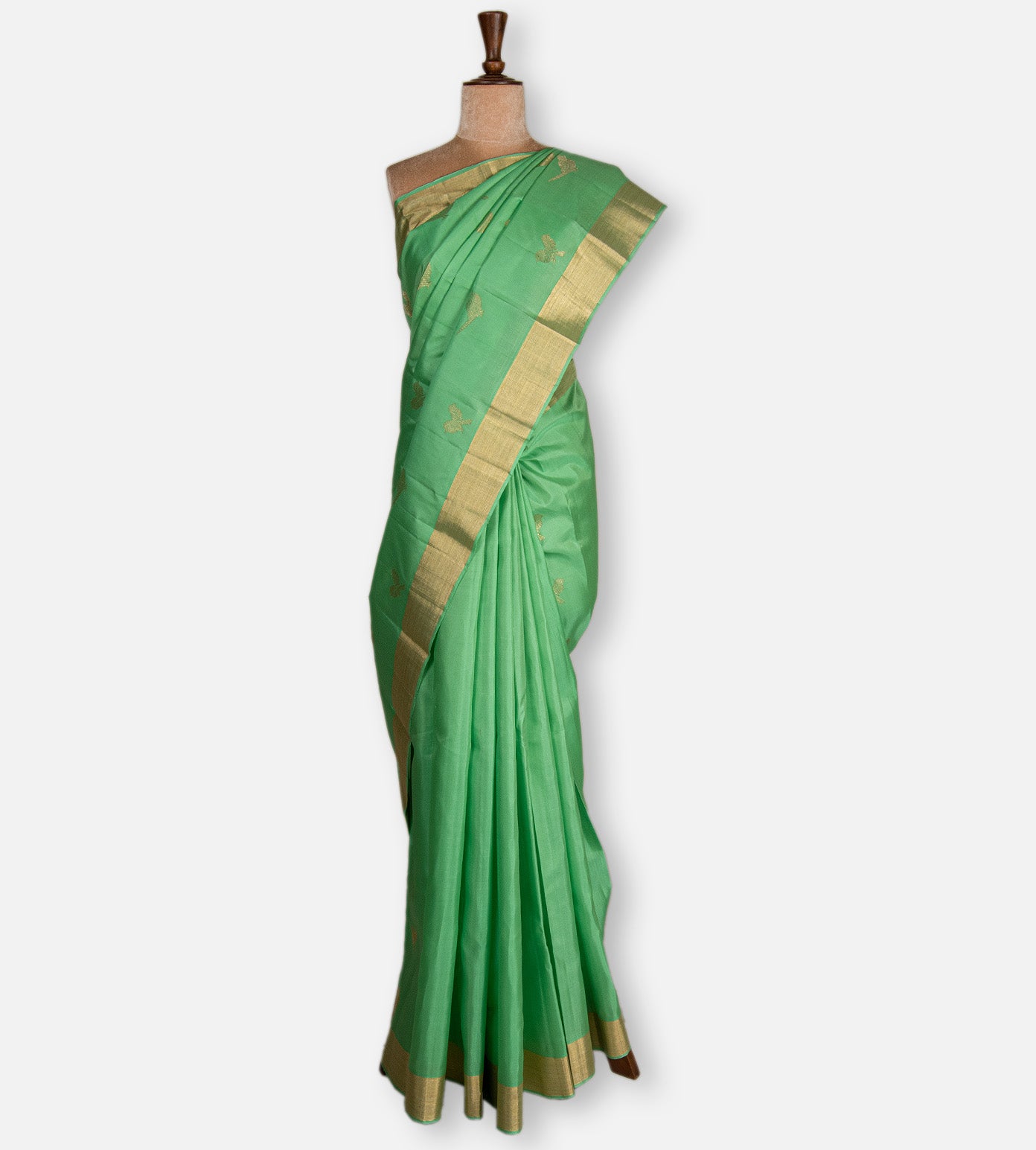
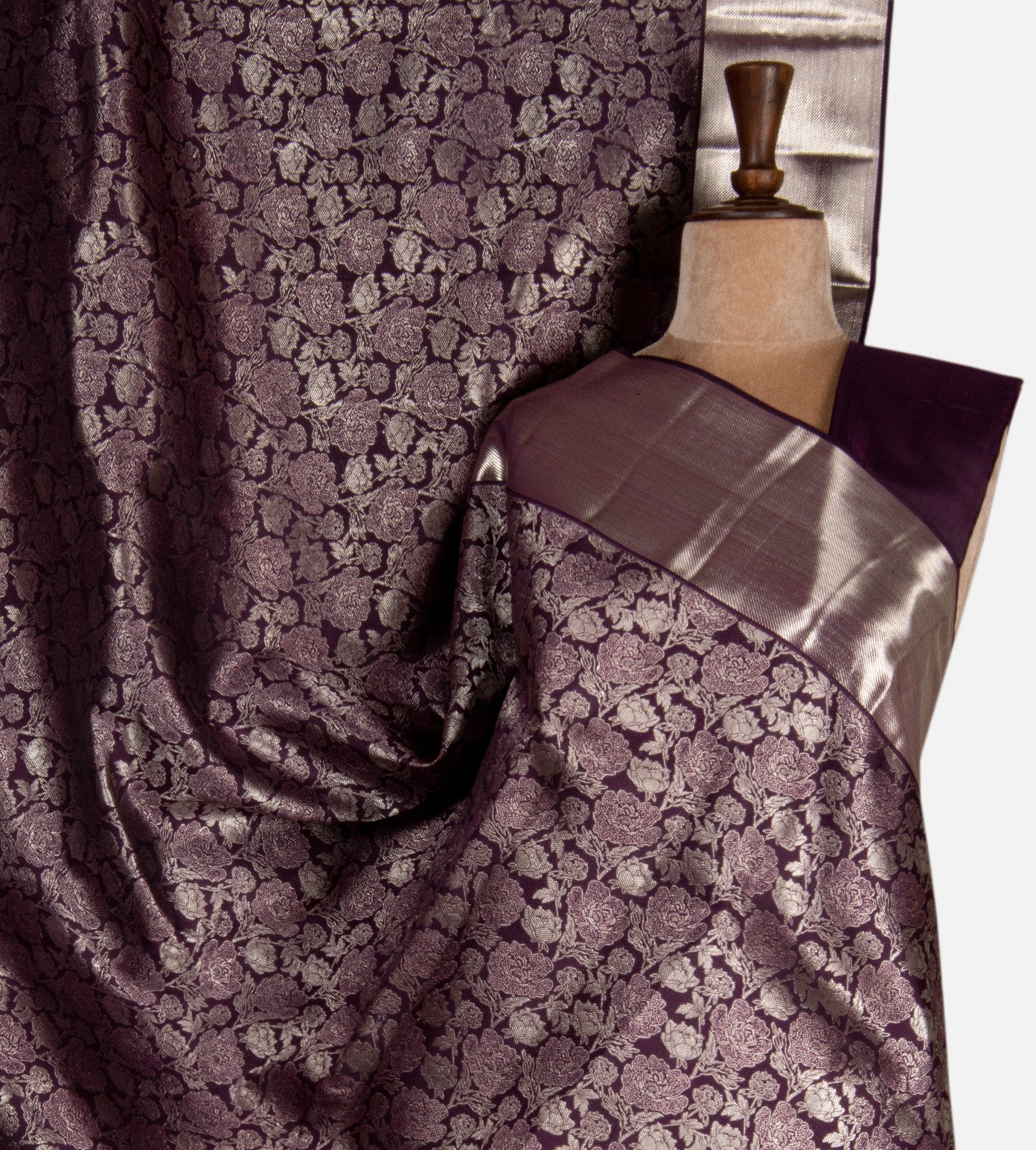
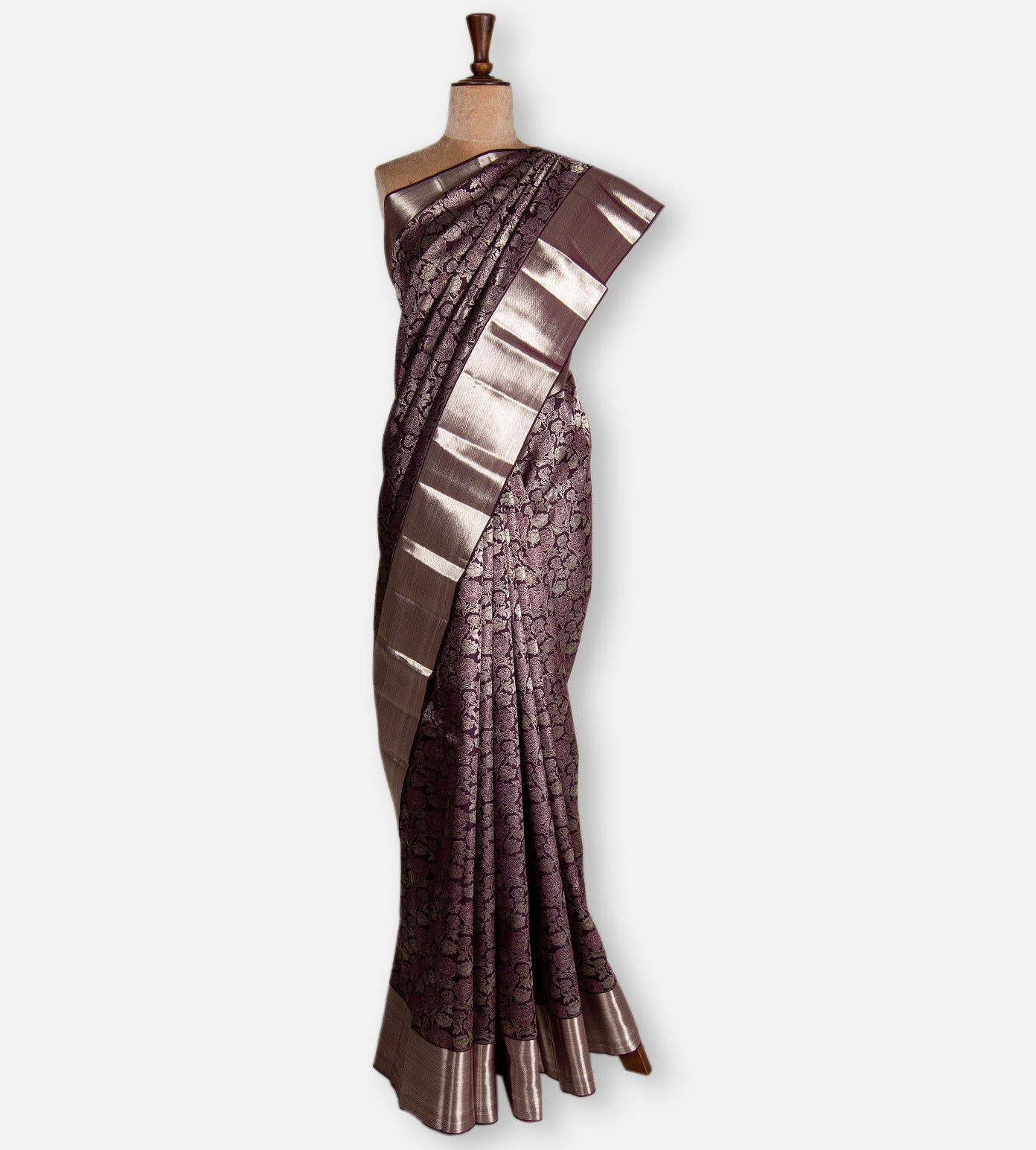
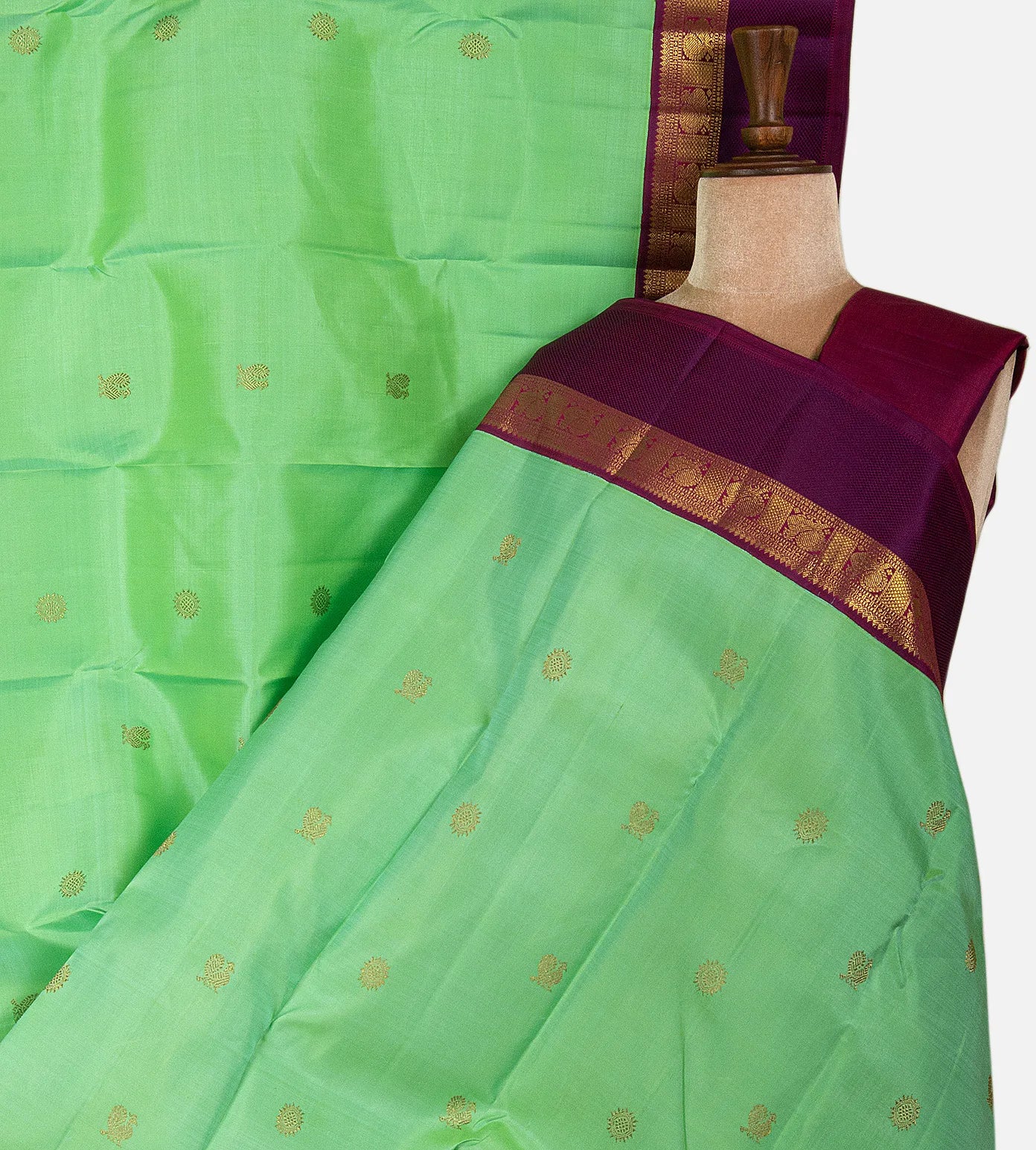
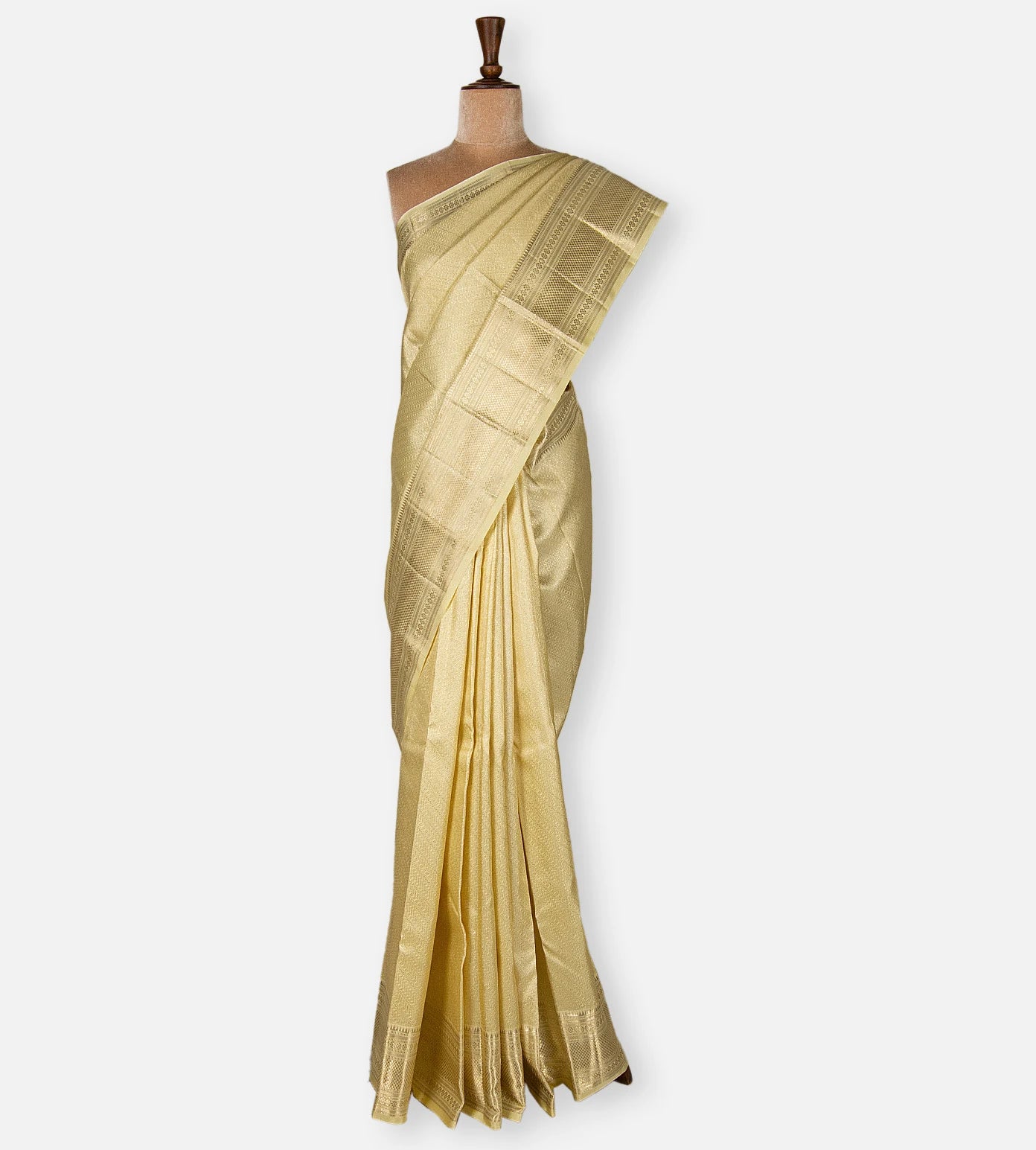
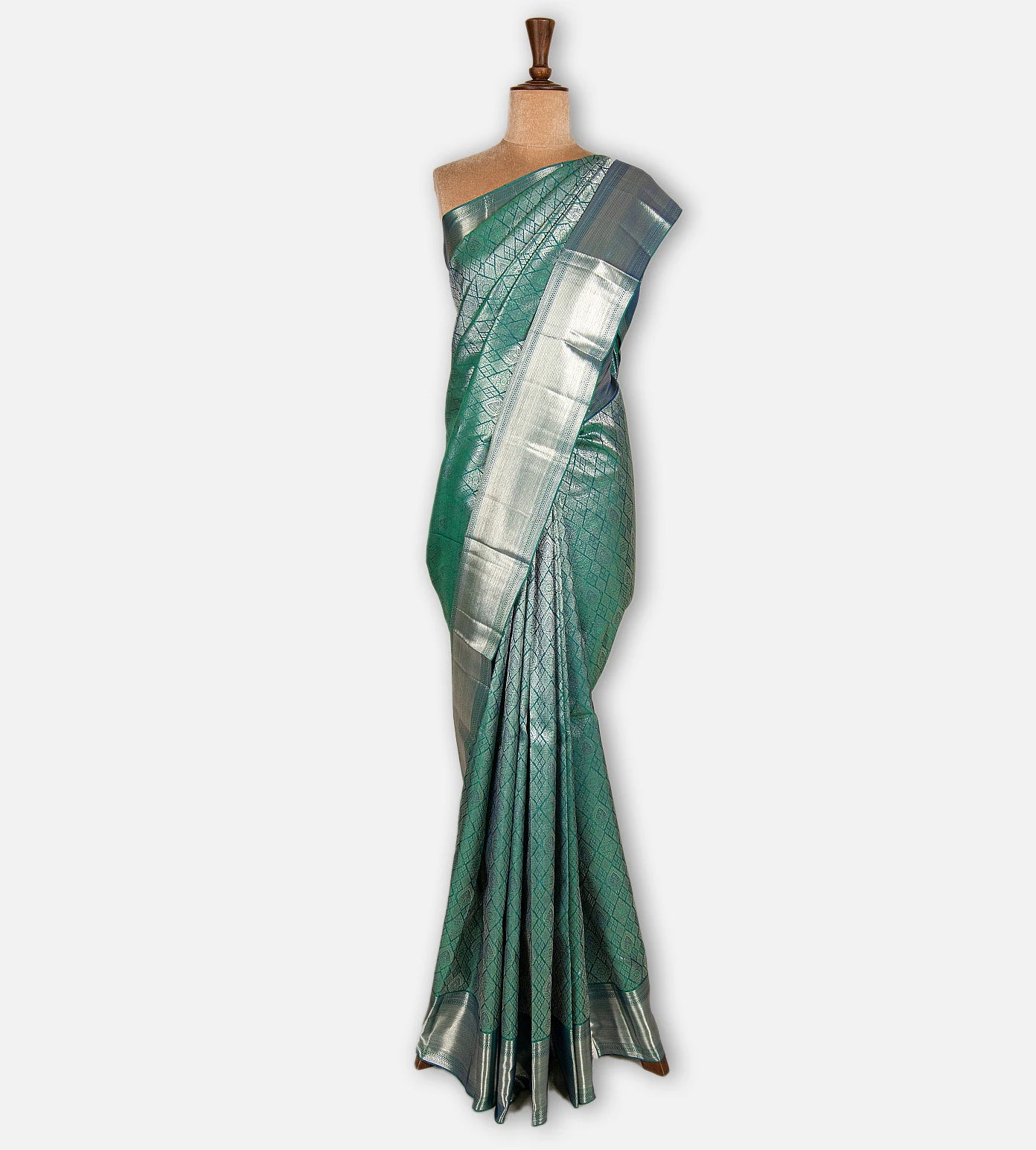
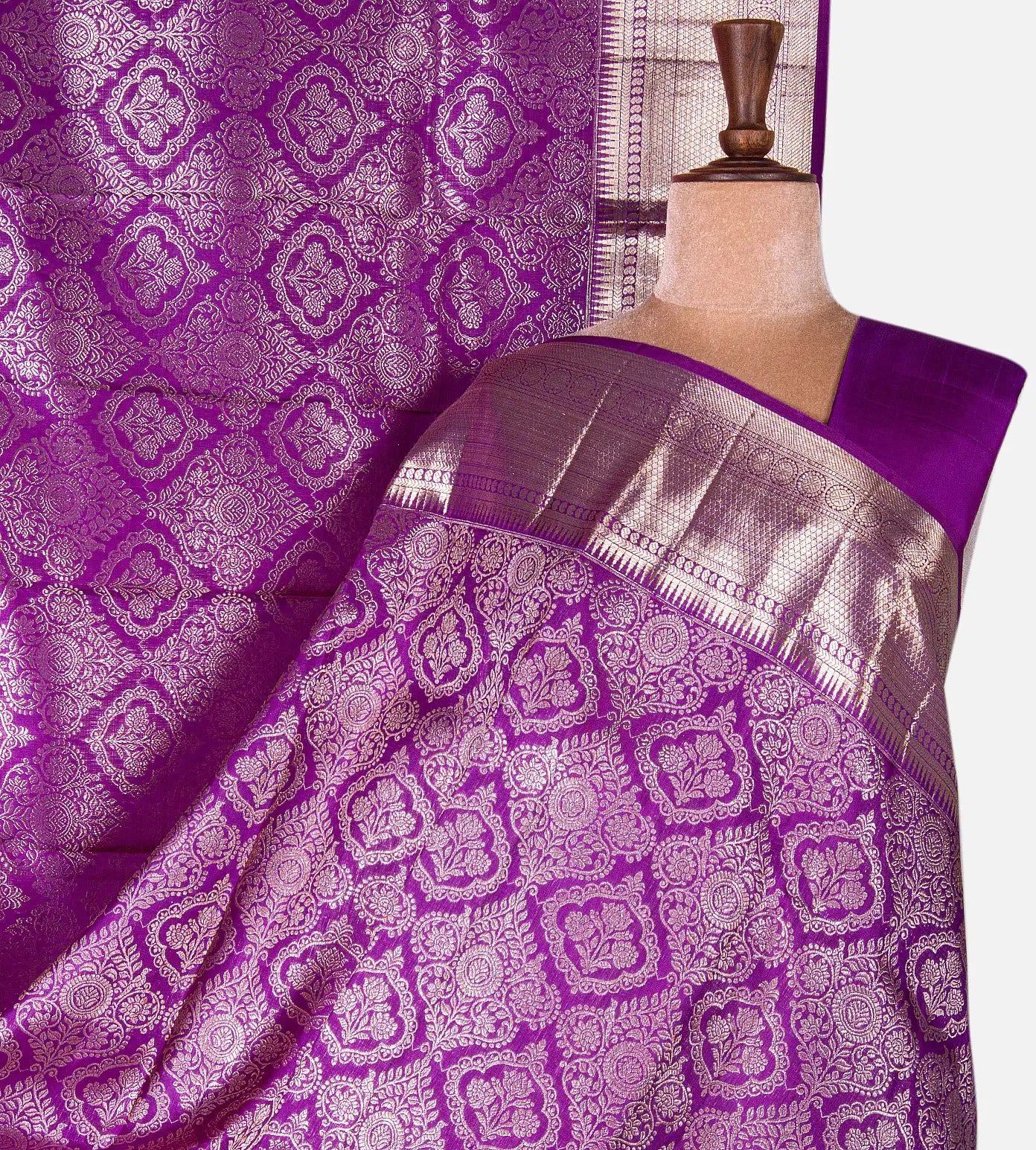
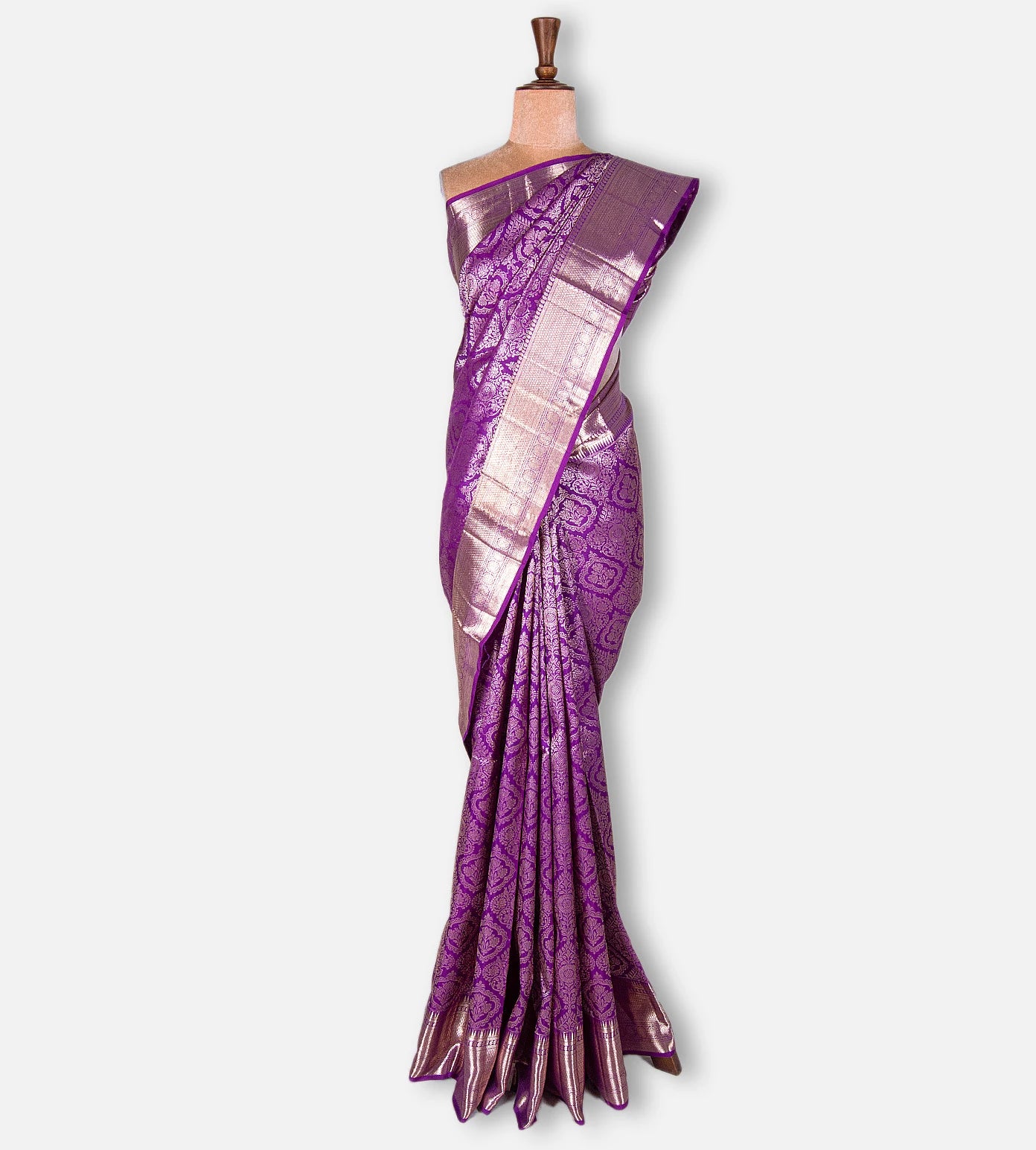
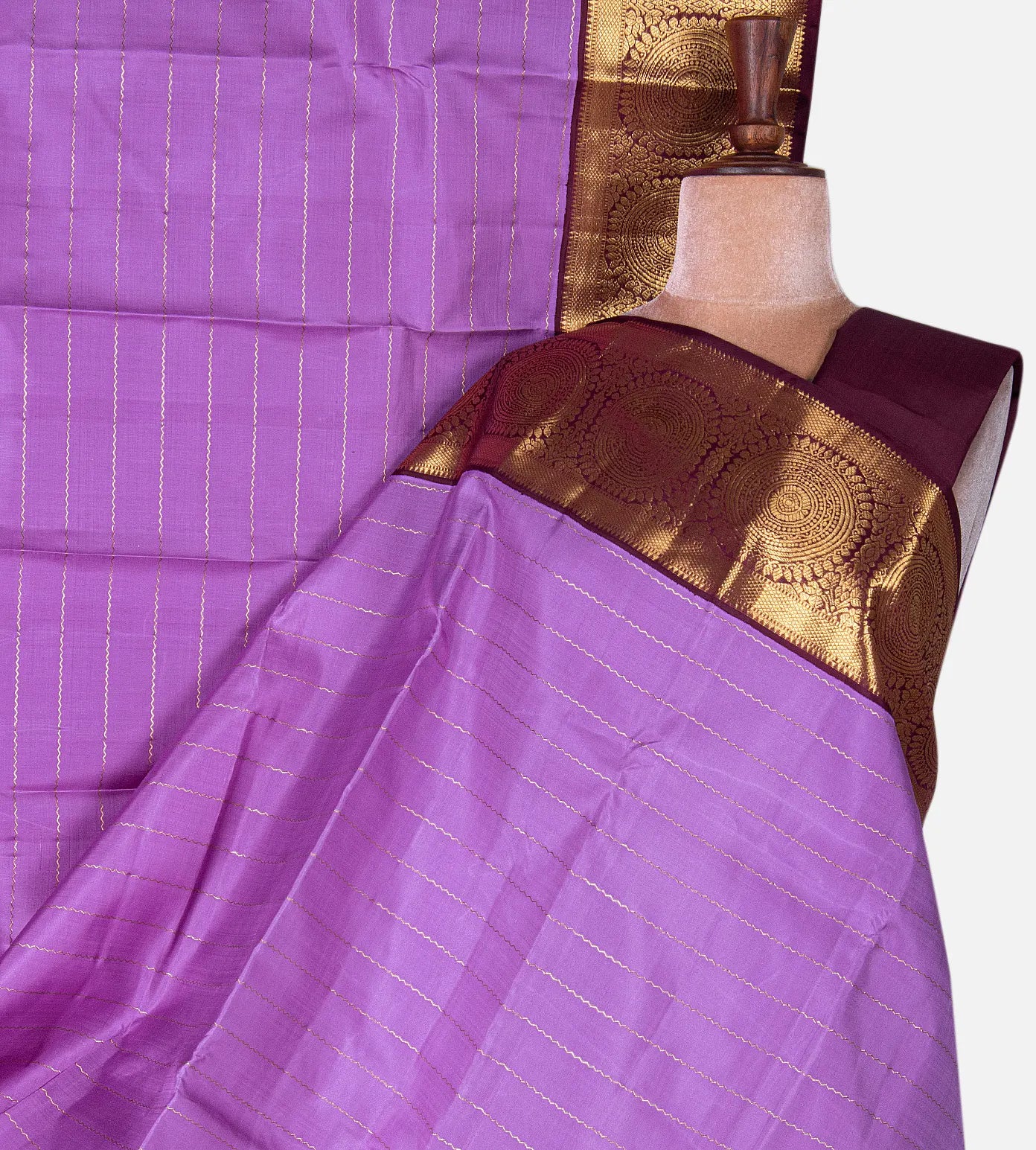
The word "traditional" isn't decorative here, it refers to something specific. A traditional Kanjivaram saree is woven using time-tested methods passed down through generations of Kanchipuram's weaving families, using mulberry silk and real zari, with motifs drawn from temple architecture, nature and classic South Indian design. Explore the full Kanchipuram silk sarees range for a sense of that range in one place.
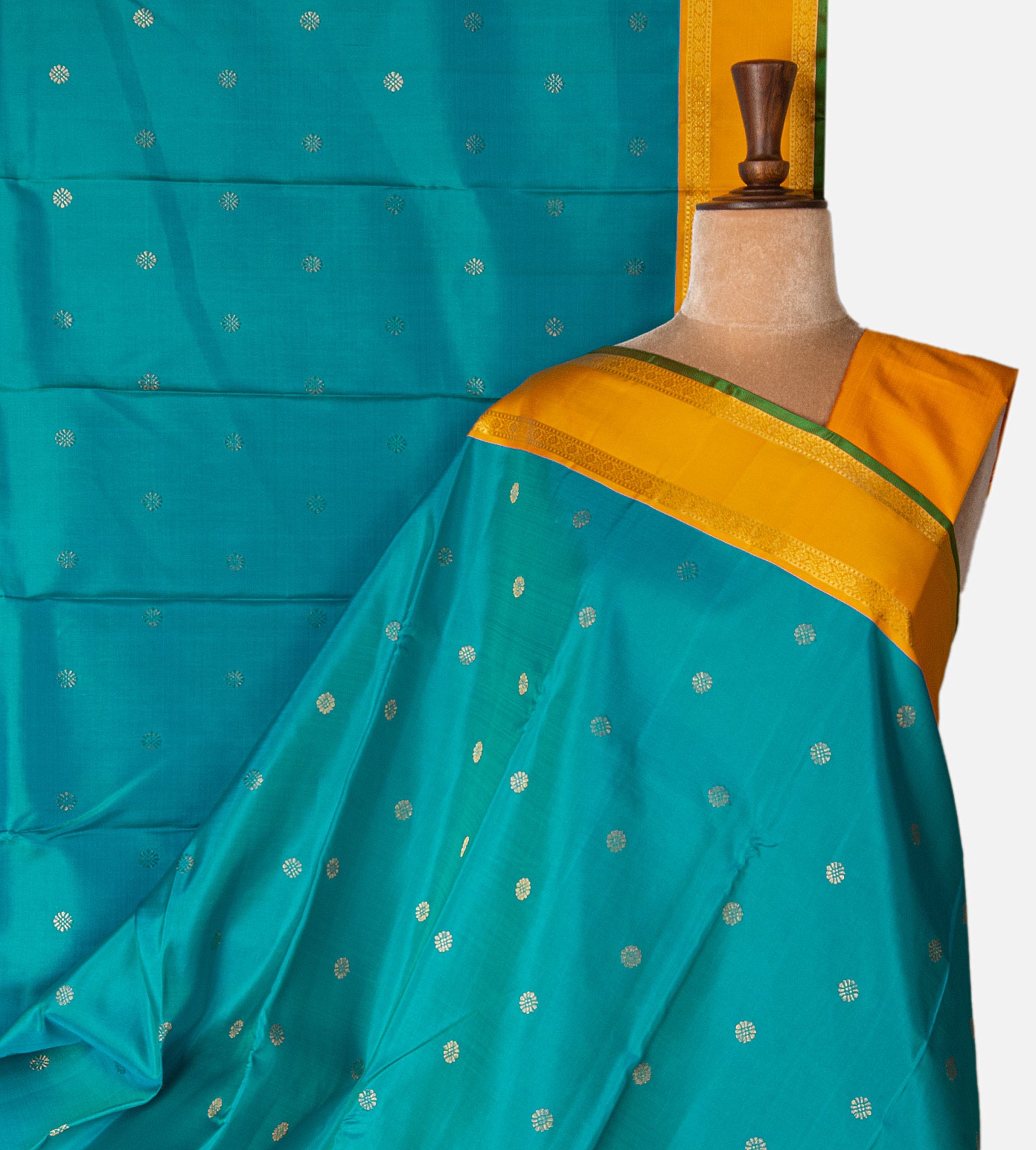
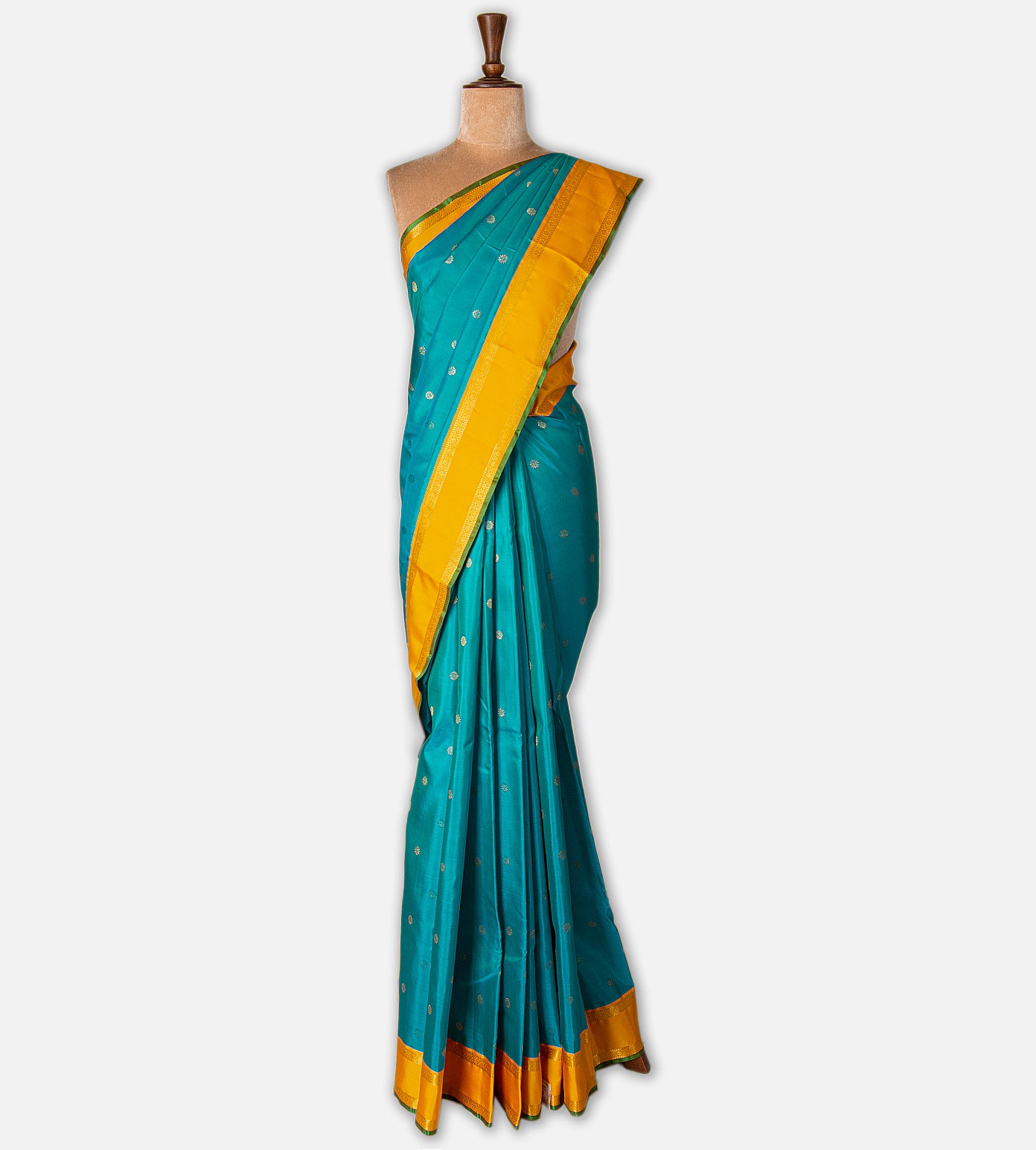
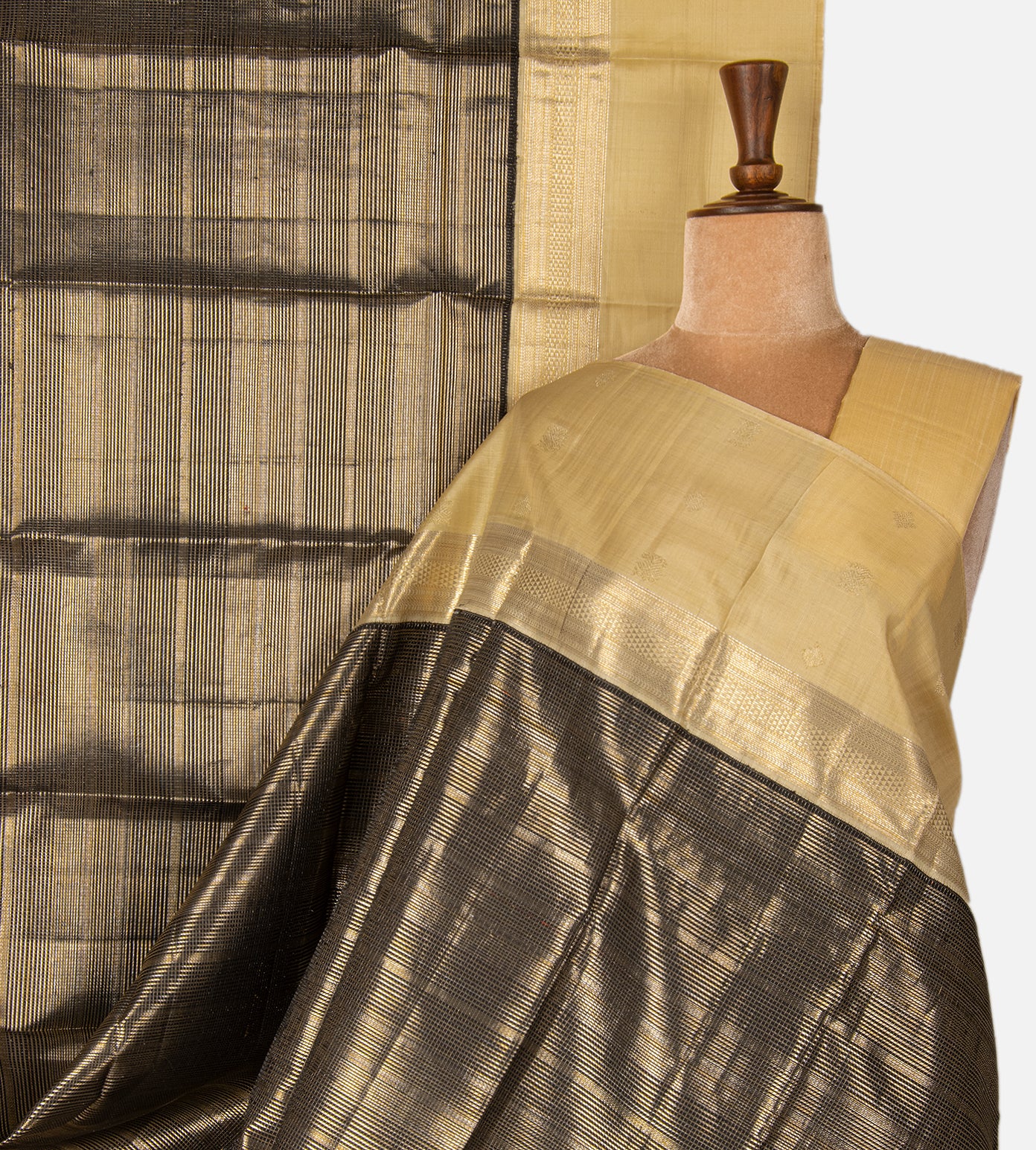
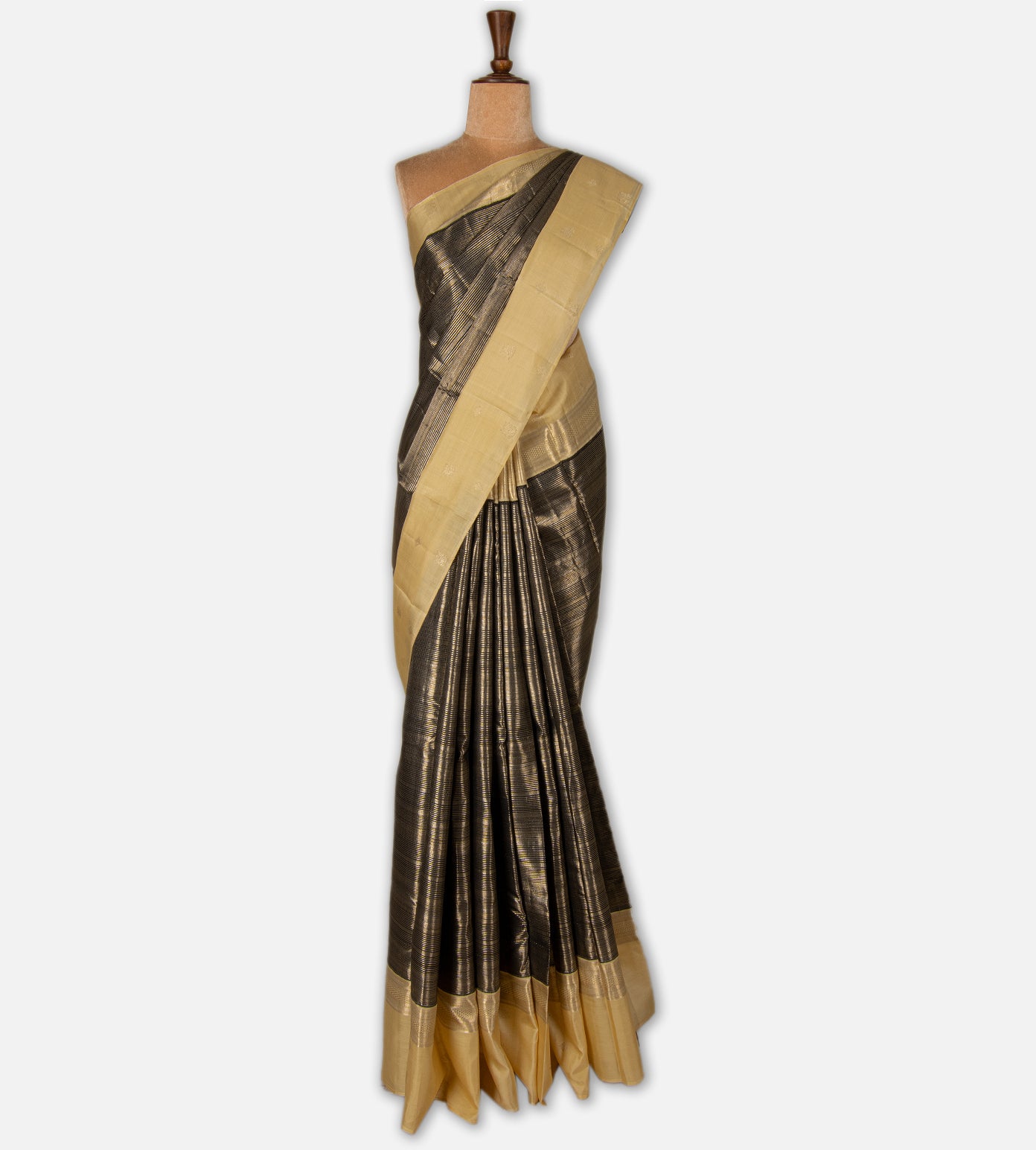
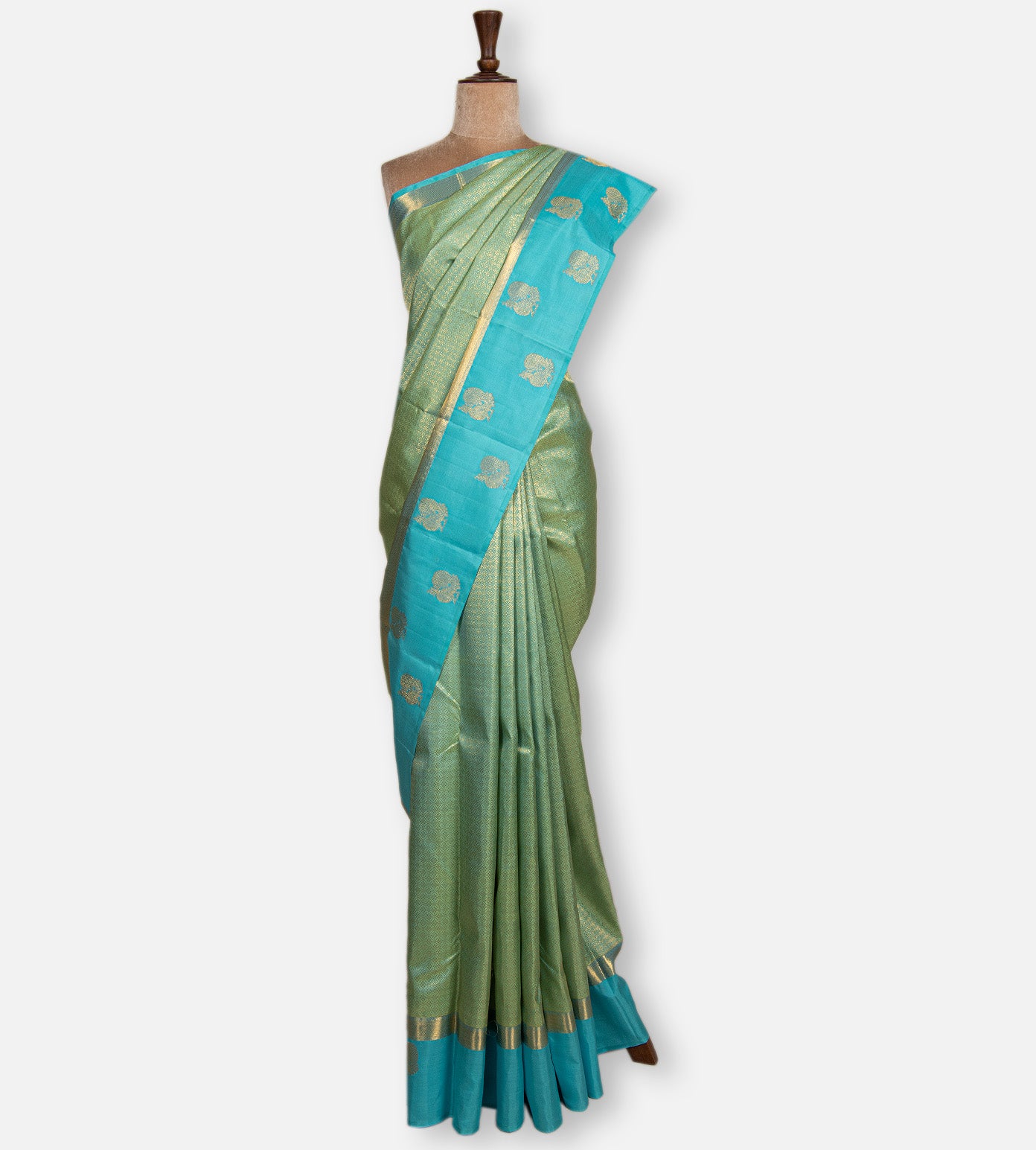
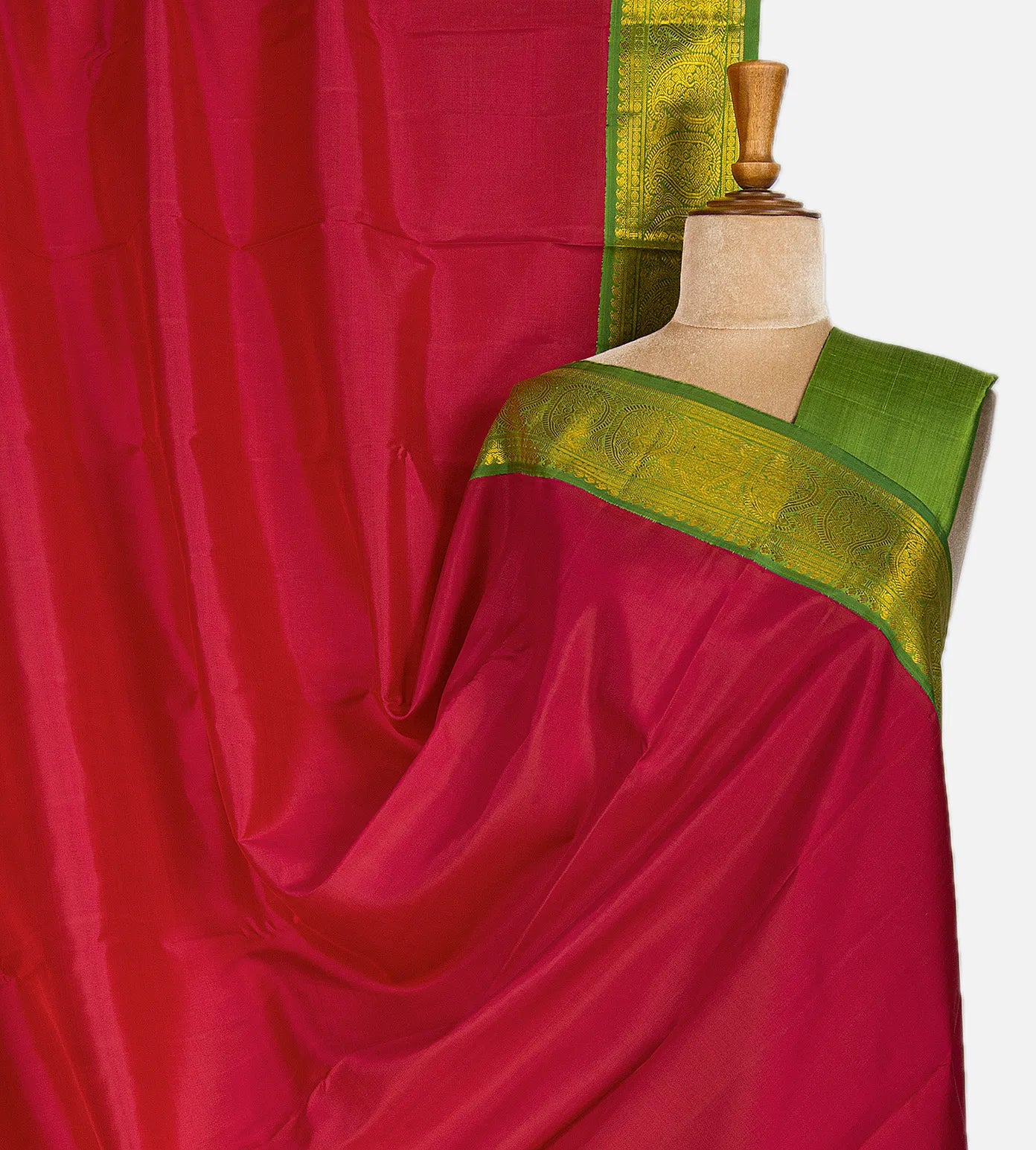
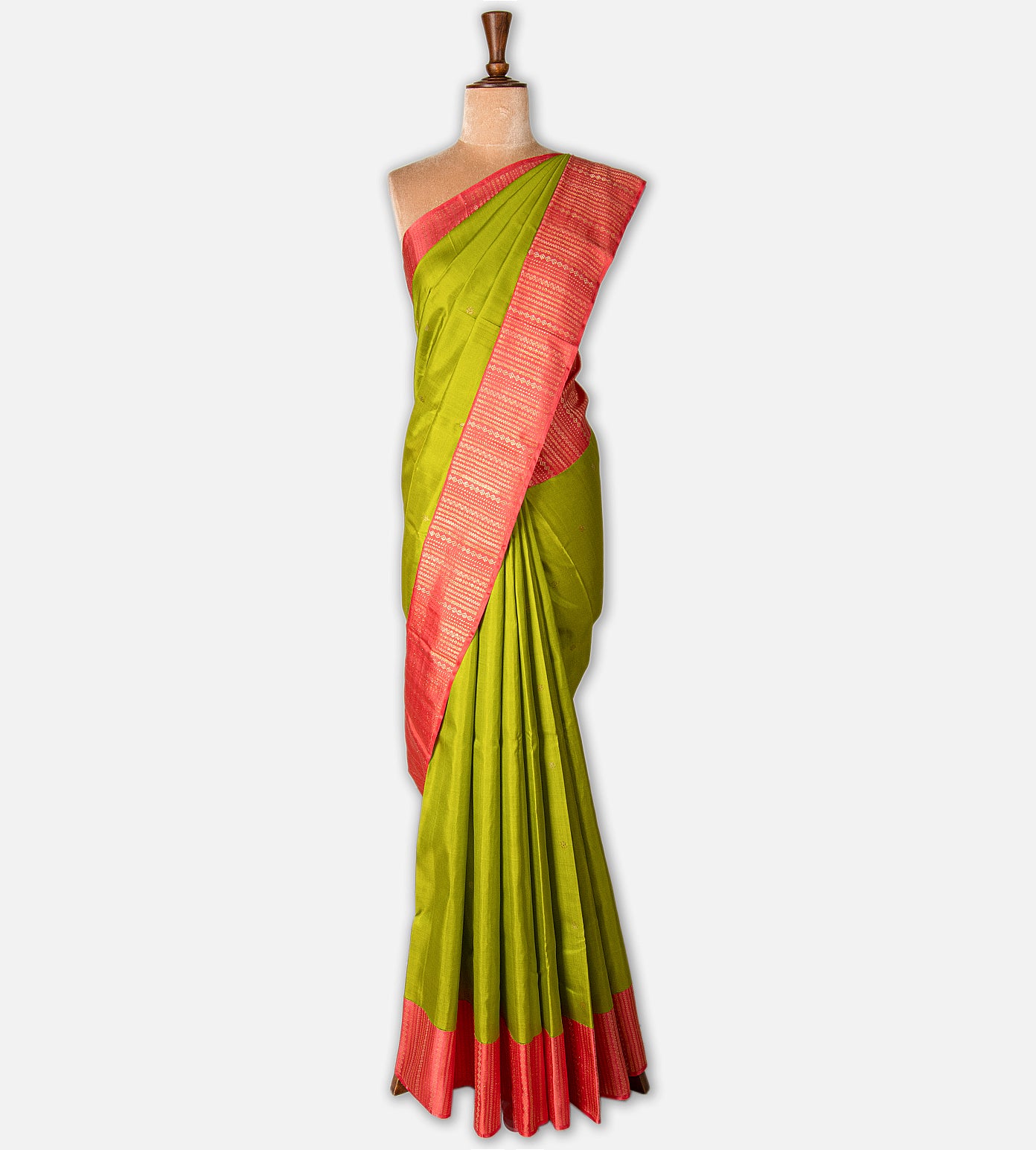
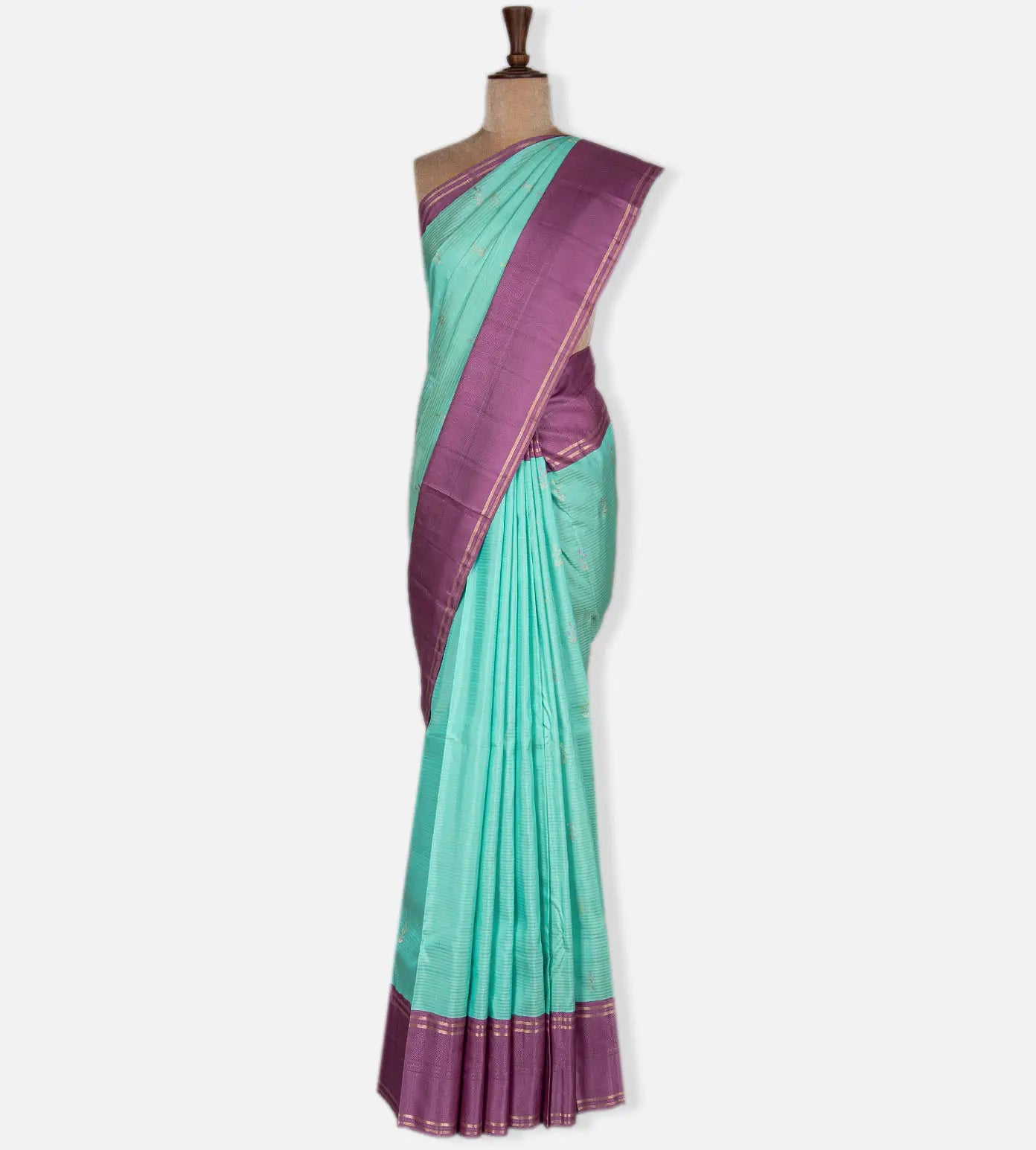
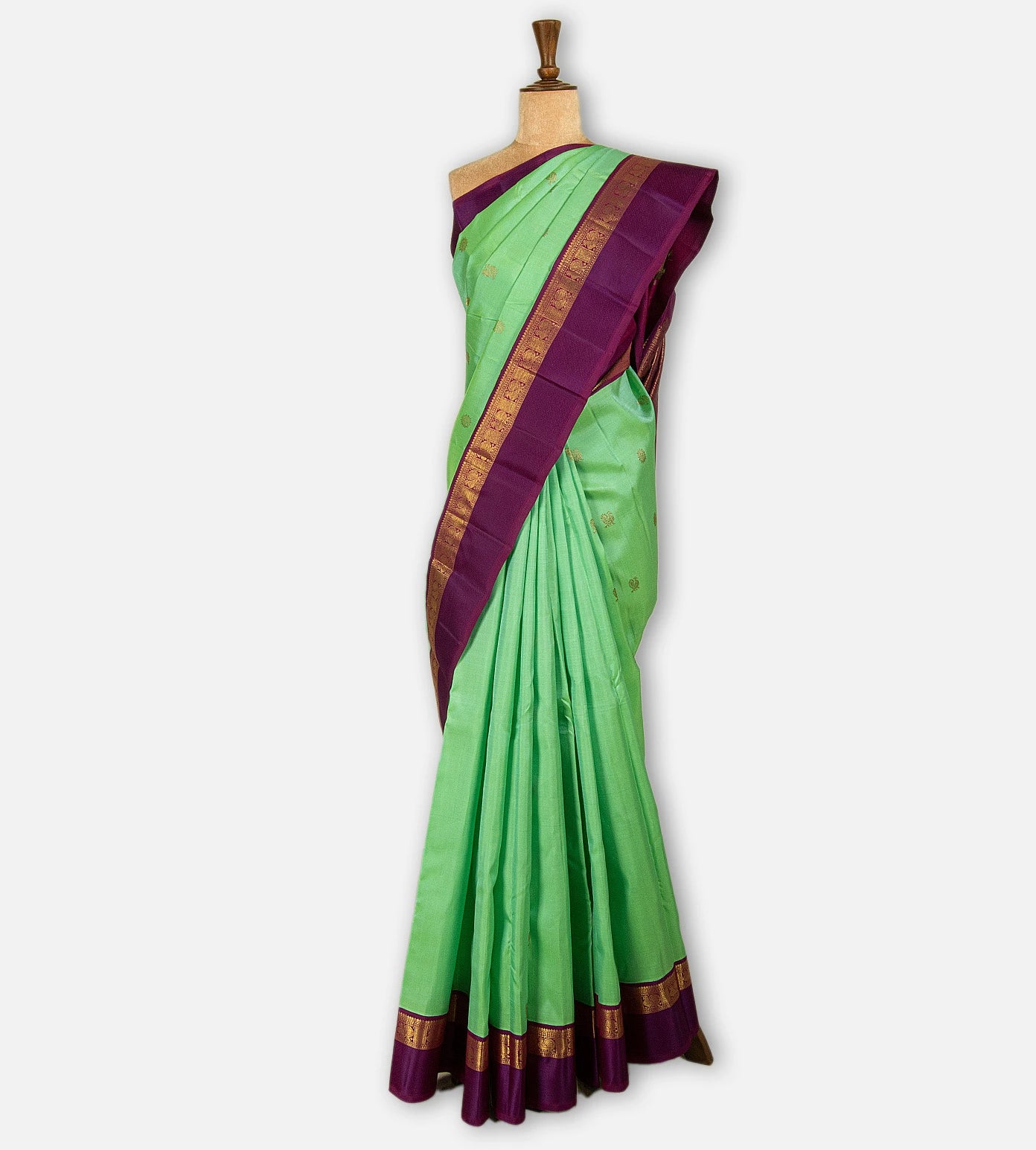
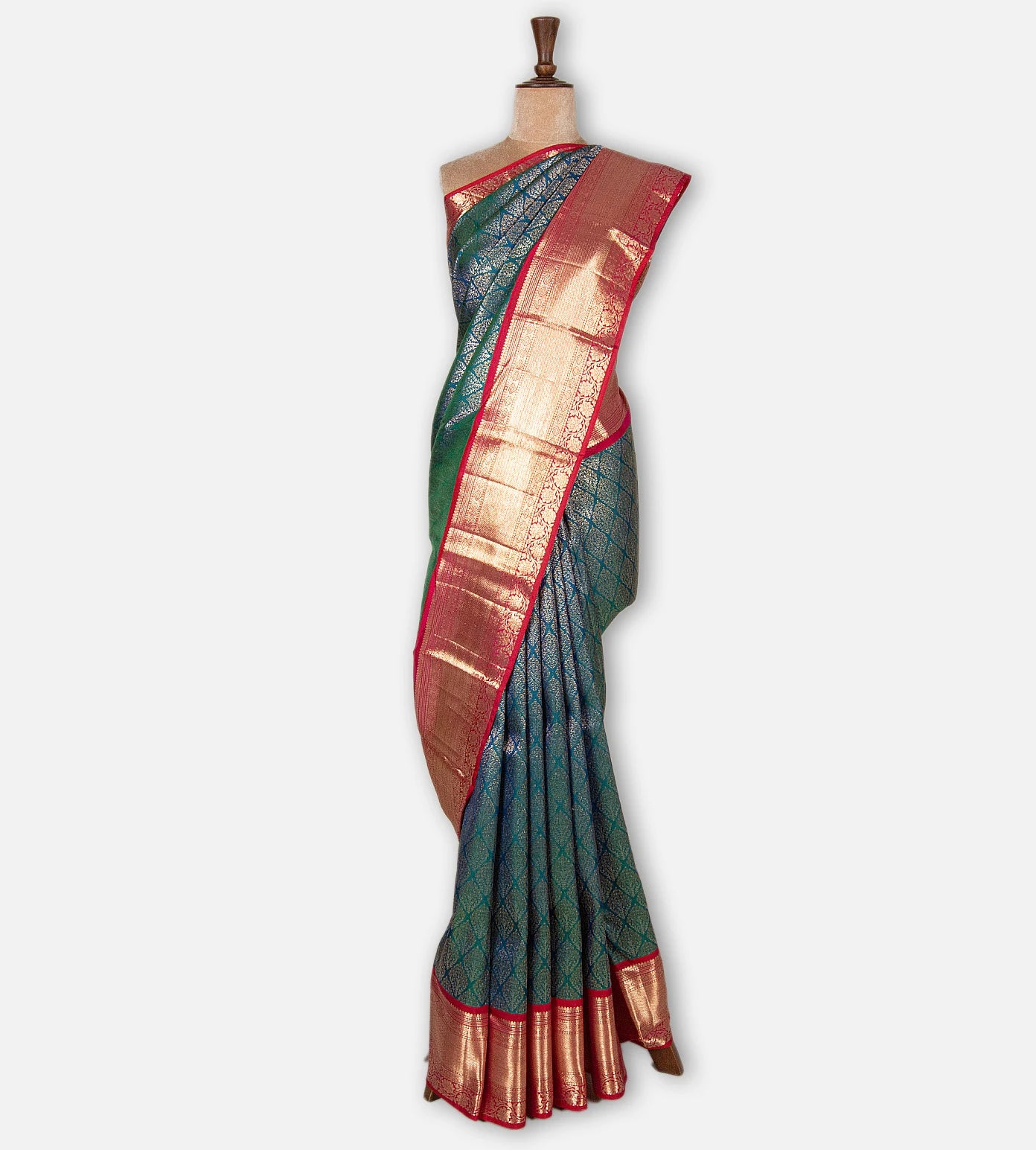
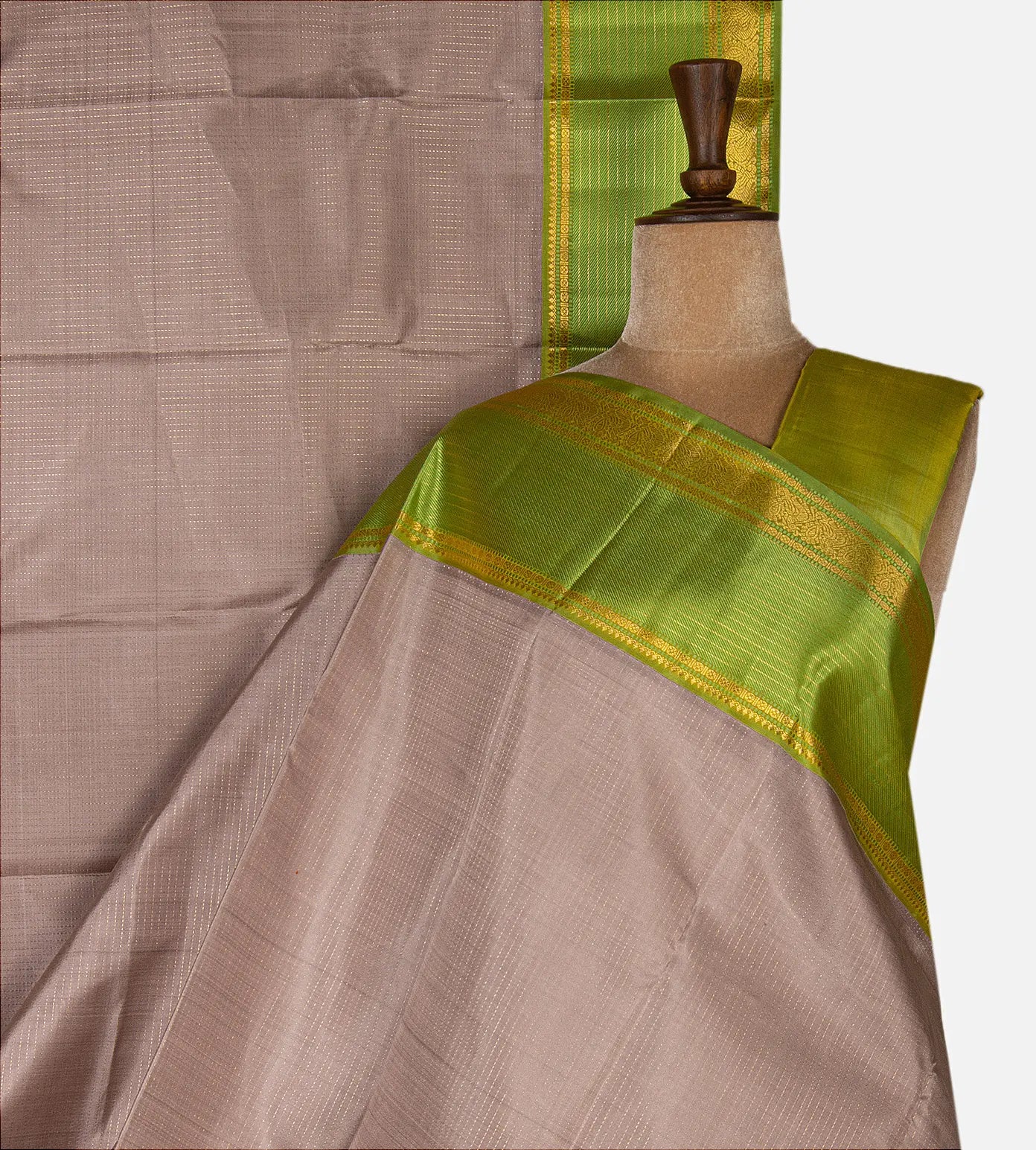
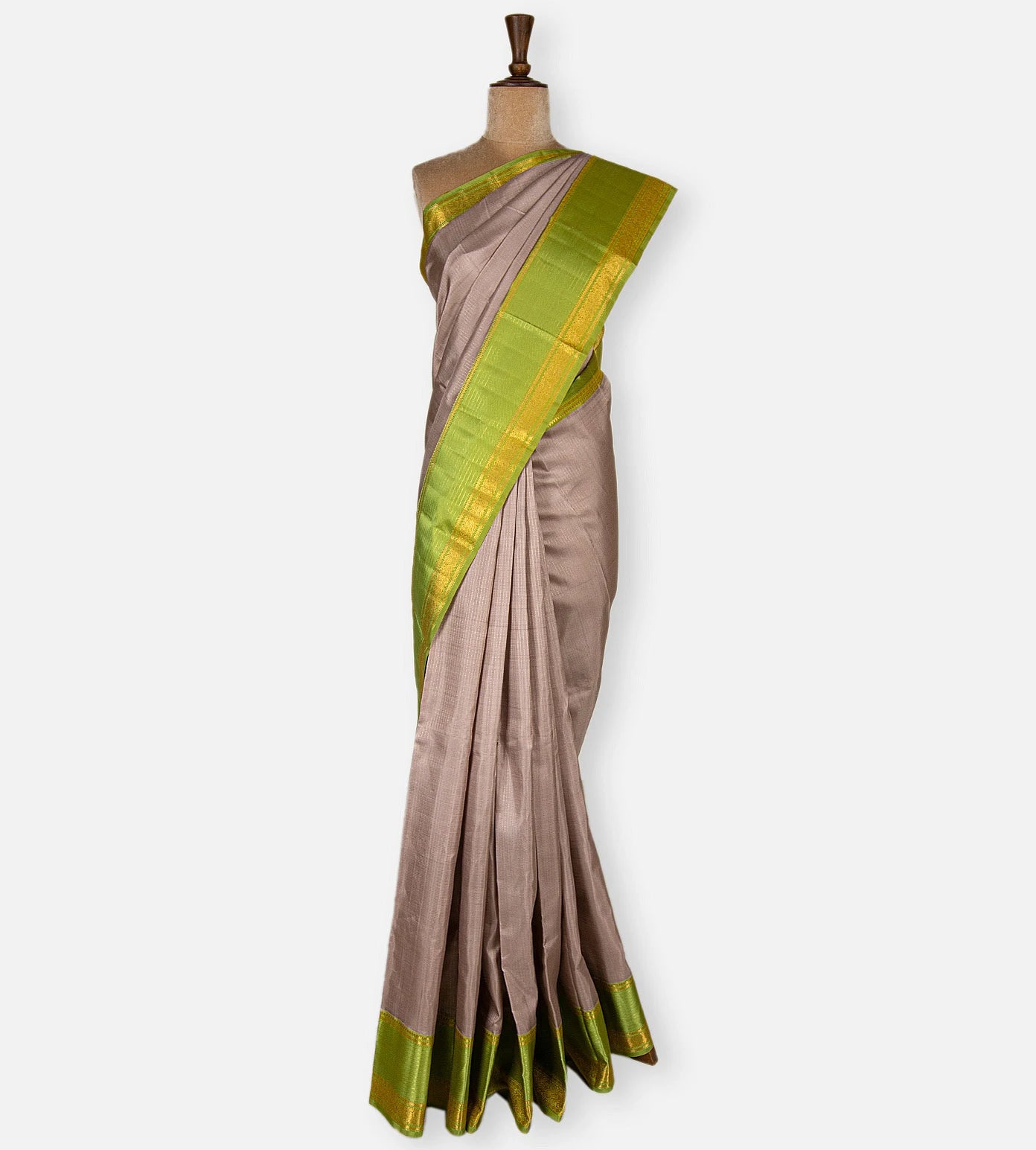
The hallmark is the contrast border, wide, richly worked, and joined to the body in a colour that doesn't try to blend in. Add a heavy, ornate pallu and you get a saree built to be noticed, not just worn. It's this combination of old technique and unapologetic detail that keeps the traditional Kanjivaram saree relevant to every generation that wears one.
Shopping for Traditional Kanjivaram Sarees Online
Buying a traditional Kanjivaram saree used to mean a trip to a physical store, several hours, and whatever stock happened to be on the shelf that day. Online shopping flips that entirely: you can browse at your own pace, zoom into border work, compare zari tones, and weigh options against your budget without any pressure to decide on the spot.
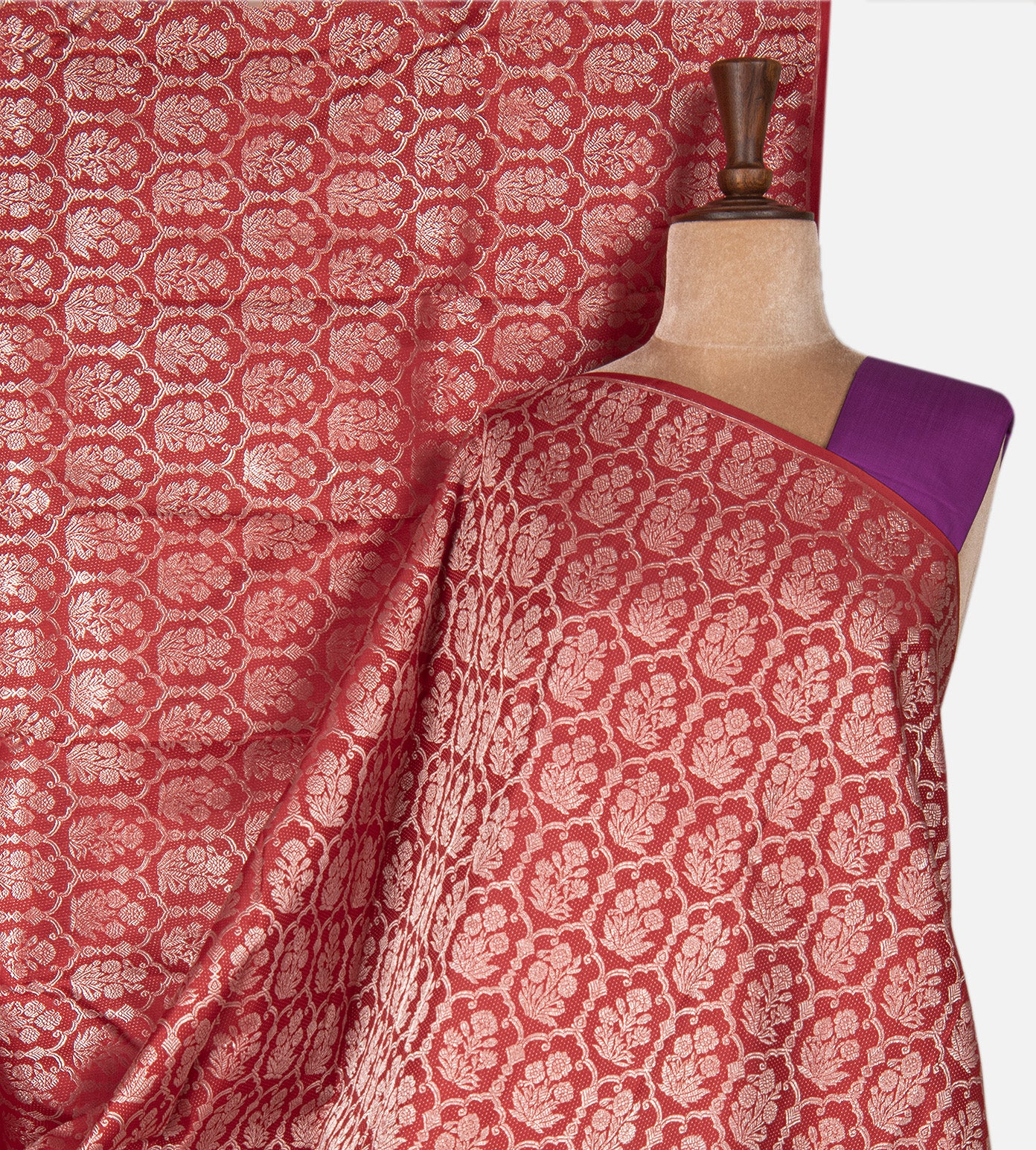
Our online collection is organised to make that easier: classic contrast-border weaves, quieter borderless options, silver-zari pieces, threadwork, checks and brocades, plus a few fusion styles for anyone wanting a lighter take. Wherever you land in that list, the goal is the same, helping you find a traditional Kanjivaram saree that actually fits the occasion you're shopping for.
The Craft Behind Traditional Kanjivaram Sarees
What separates a traditional Kanjivaram saree from an ordinary silk saree is almost entirely in the weaving. Two techniques in particular define the category, and both take years for a weaver to master properly.
The Three-Shuttle Technique
Rather than weaving a saree in one continuous motion, traditional weavers work the body, border and pallu on three separate shuttles, each section built independently. That's what gives the finished piece such a sharp, deliberate structure; the border doesn't blur into the body; it sits apart from it, clean and defined.
Understanding Korvai
Korvai is the joinery technique that fuses a contrast-coloured border onto the saree's body without a visible seam disrupting the line. It's painstaking, slow work, and it's also the single technique most associated with authentic Kanchipuram weaving, which is exactly why Korvai sarees are considered the benchmark of a properly traditional Kanjivaram saree.
The Different Kinds of Traditional Kanjivaram Sarees We Stock
Even within "traditional," there's real variety: different border widths, different zari tones, different levels of ornamentation, all still rooted in classic Kanchipuram weaving. For a change of weave altogether, our banarasi silk sarees collection is worth browsing too.
Korvai Traditional Kanjivaram Sarees
The most recognisably traditional form, a contrast border joined by hand, built for weddings, poojas and formal family occasions.
Borderless Traditional Kanjivaram Sarees
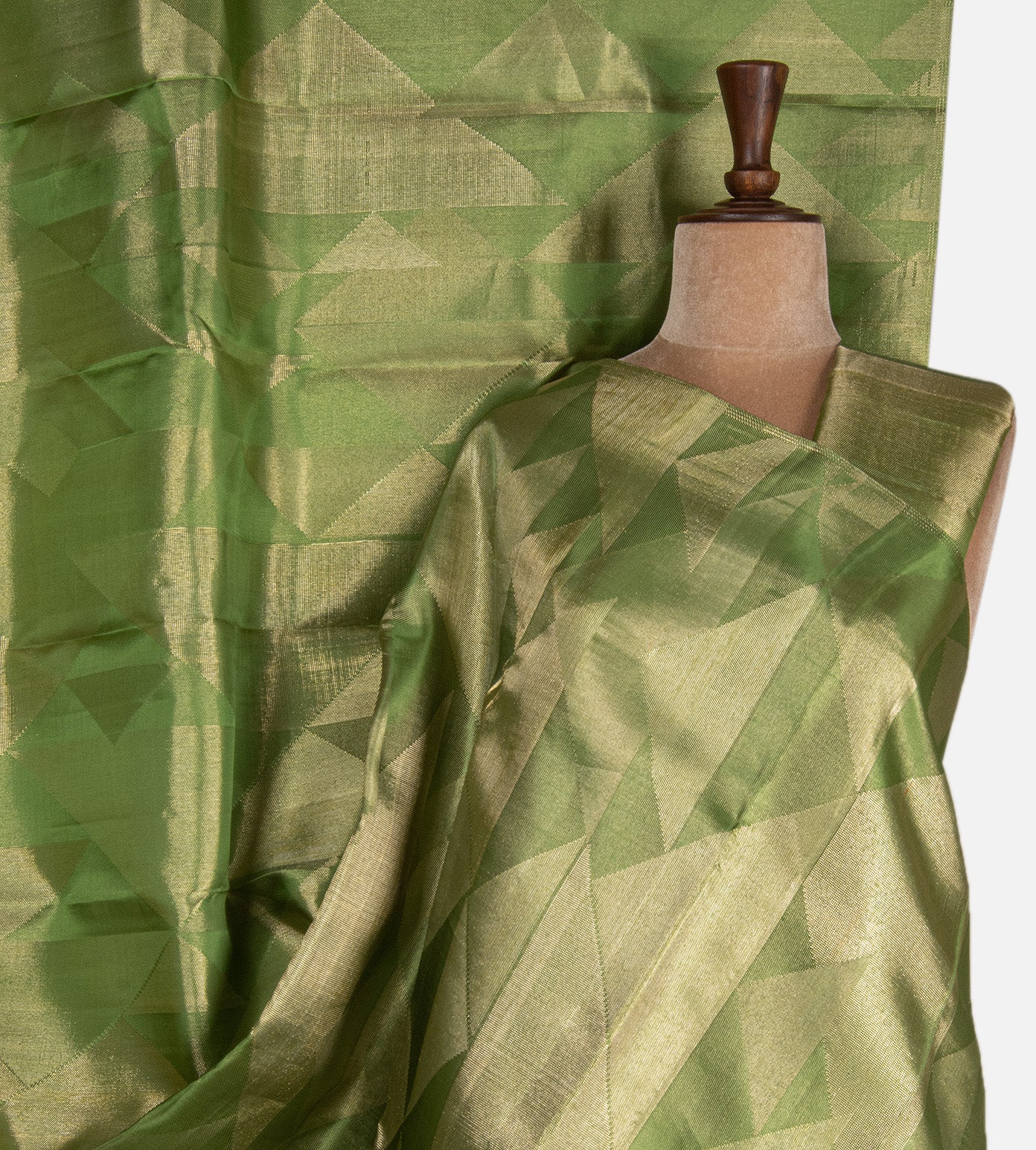
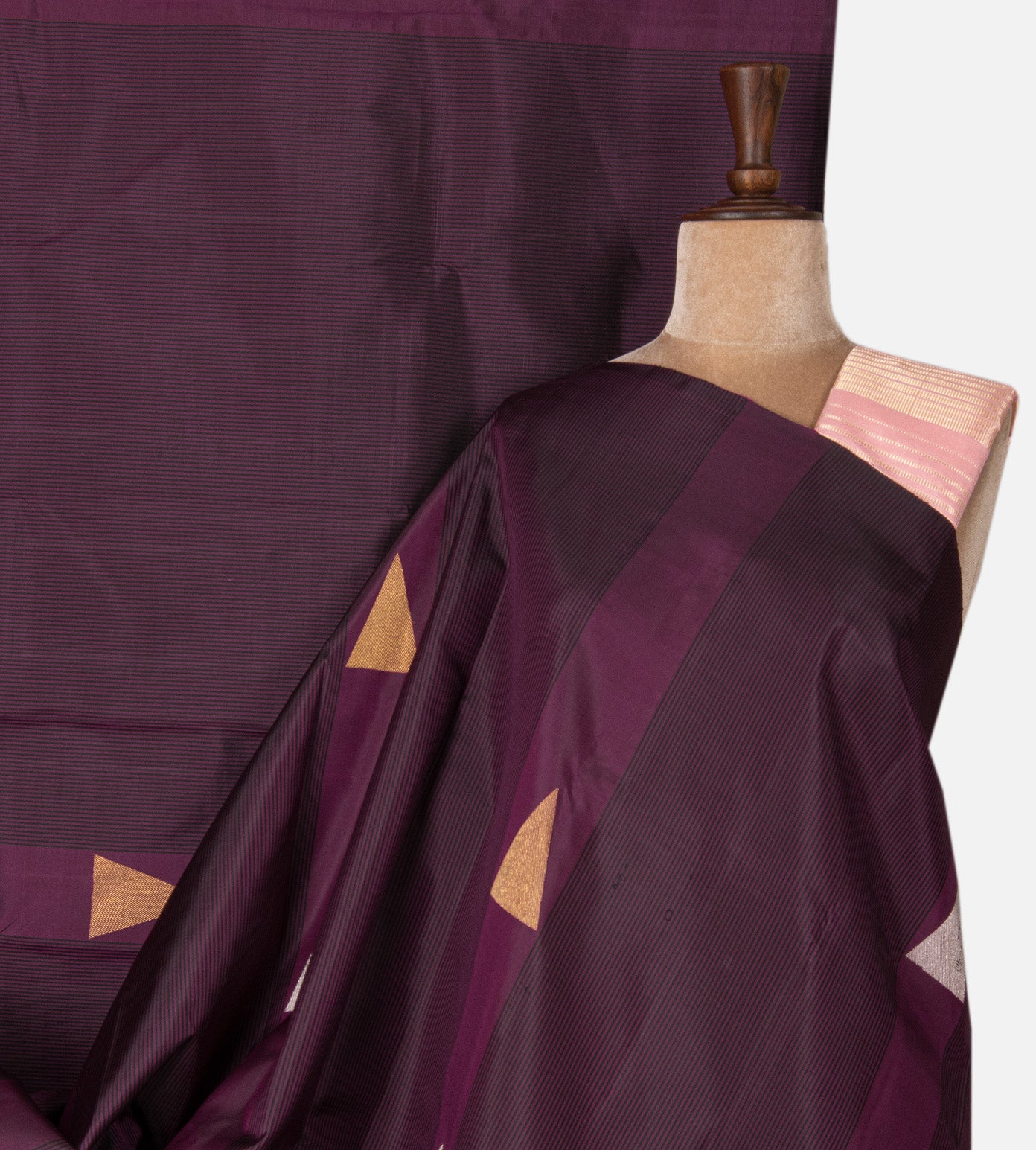
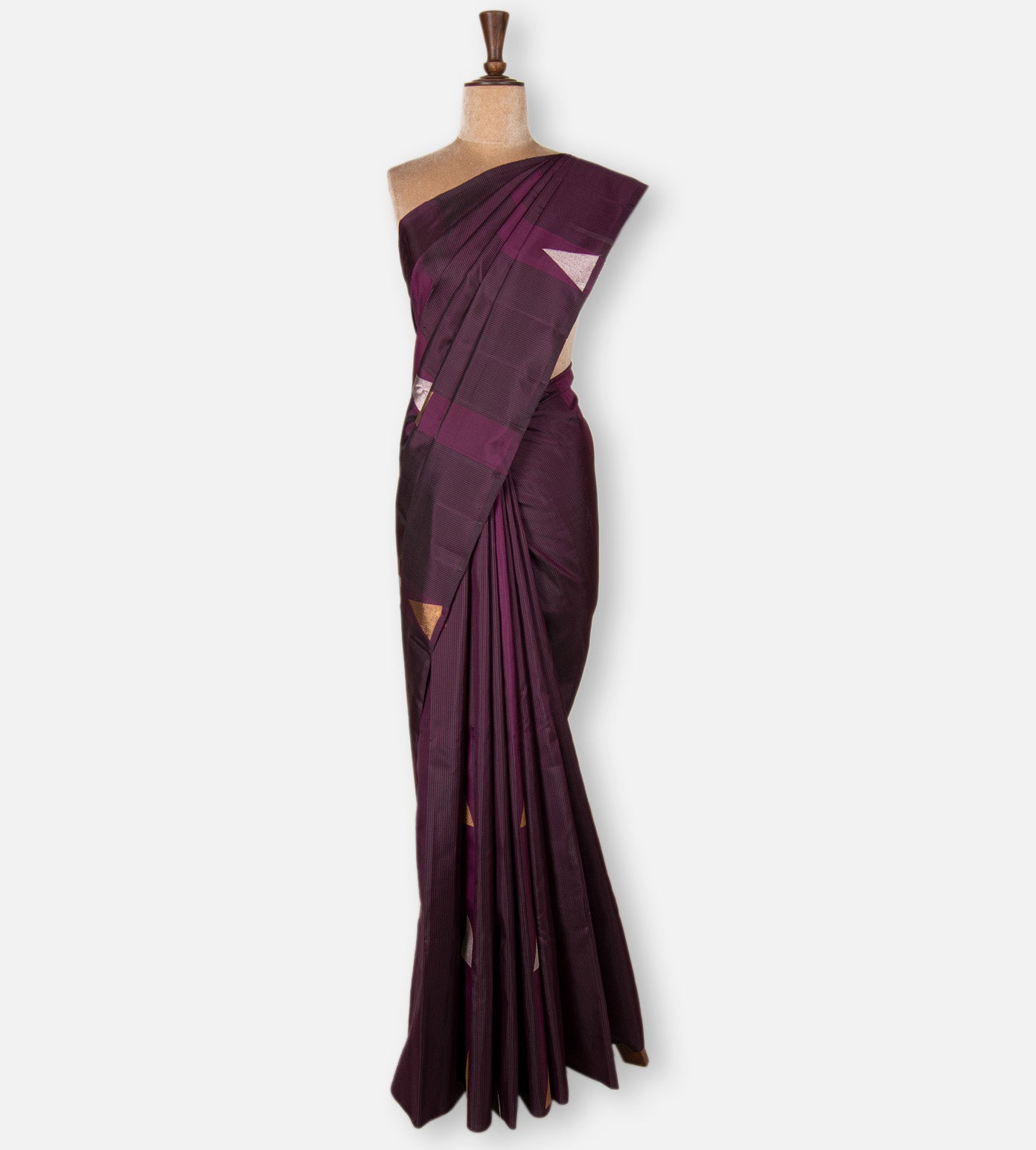
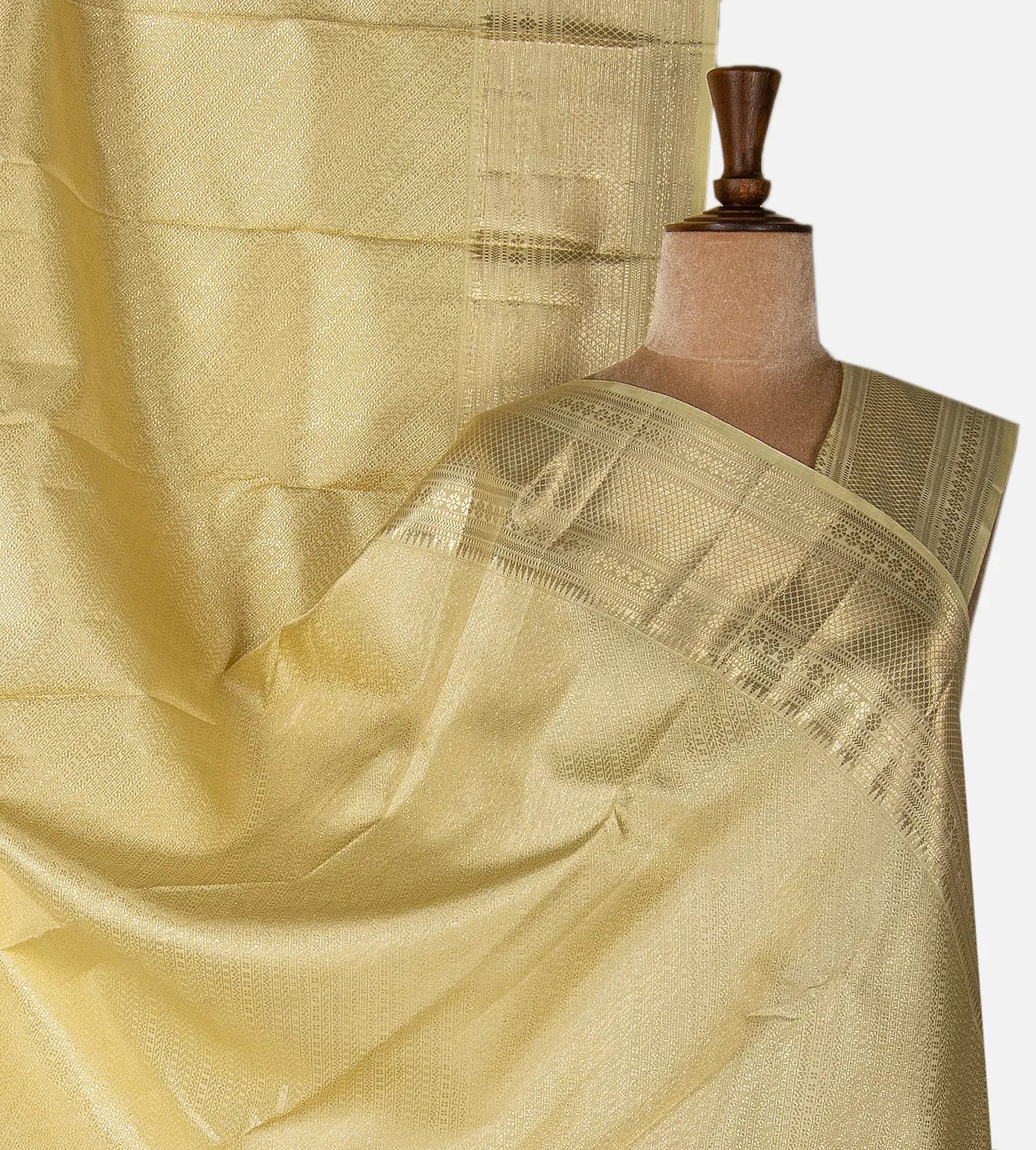
Traditional weaving and motifs, minus the contrast border, letting the silk and pattern carry the saree on their own.
Silver Traditional Kanjivaram Sarees
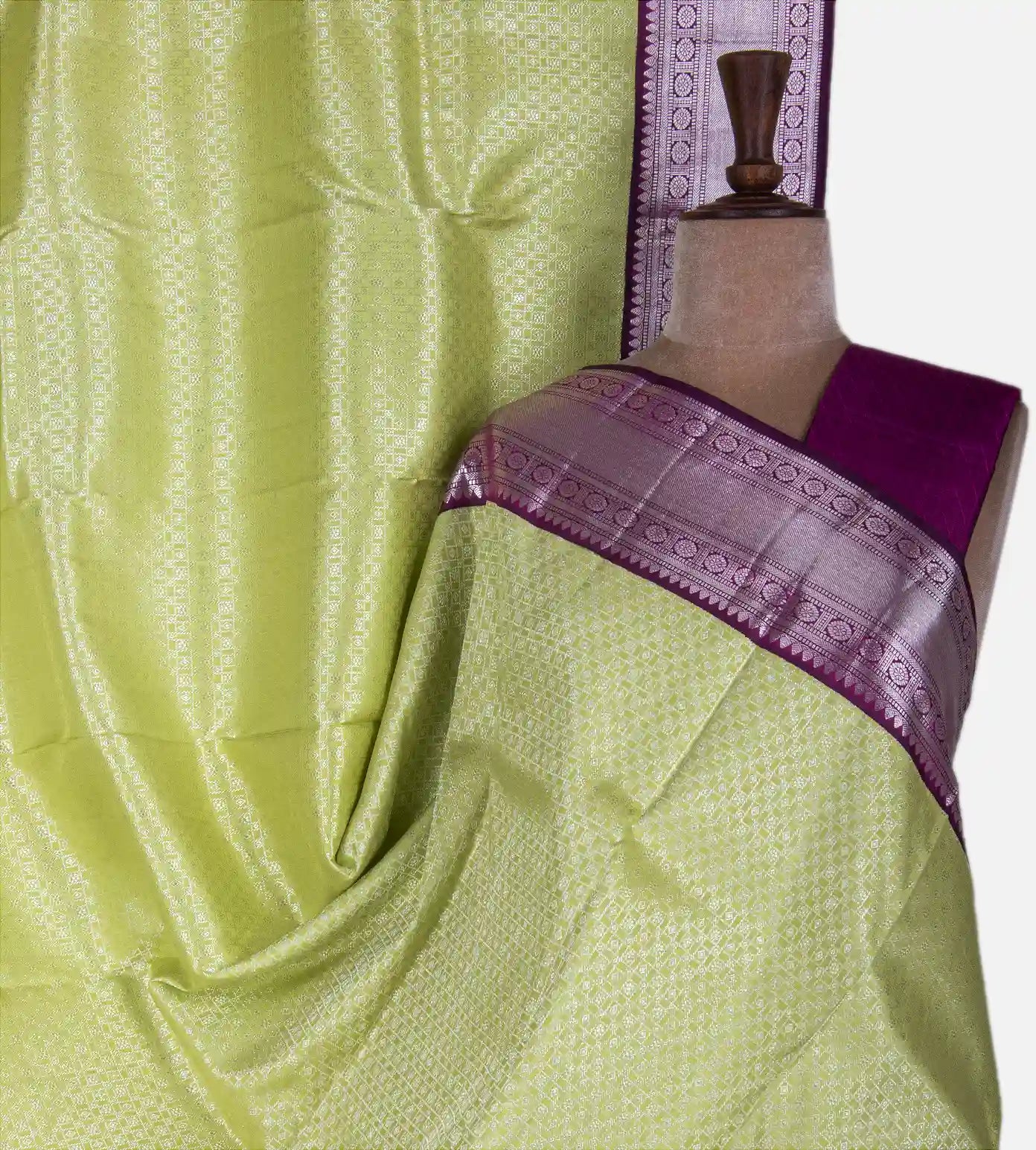
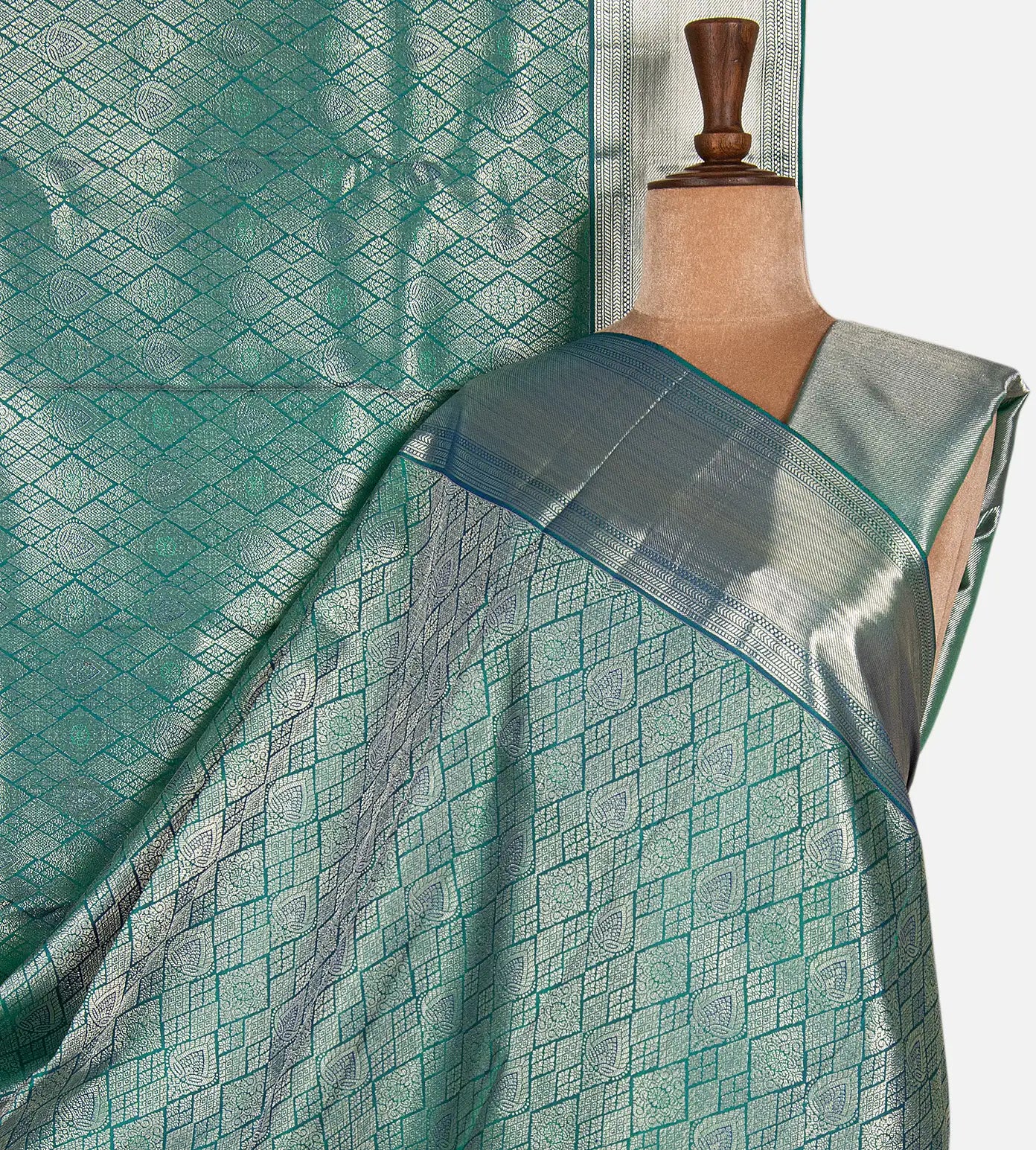
Traditional construction with silver zari instead of gold, a small shift that changes the whole mood of the drape.
Threadwork Traditional Kanjivaram Sarees
Traditional detailing but in a different texture, ornamentation done with thread instead of metallic zari.
Checks and Brocade Traditional Kanjivaram Sarees
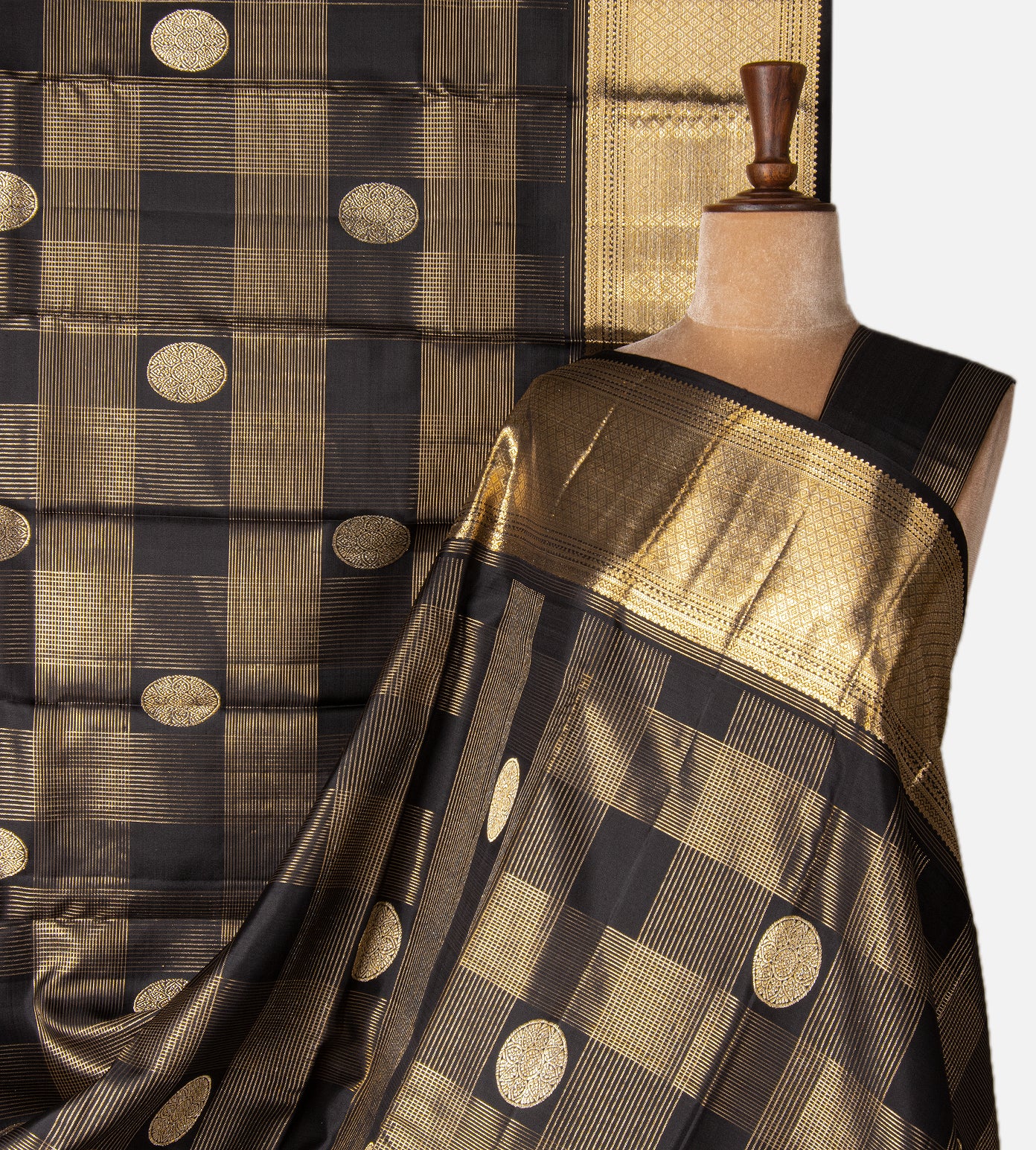
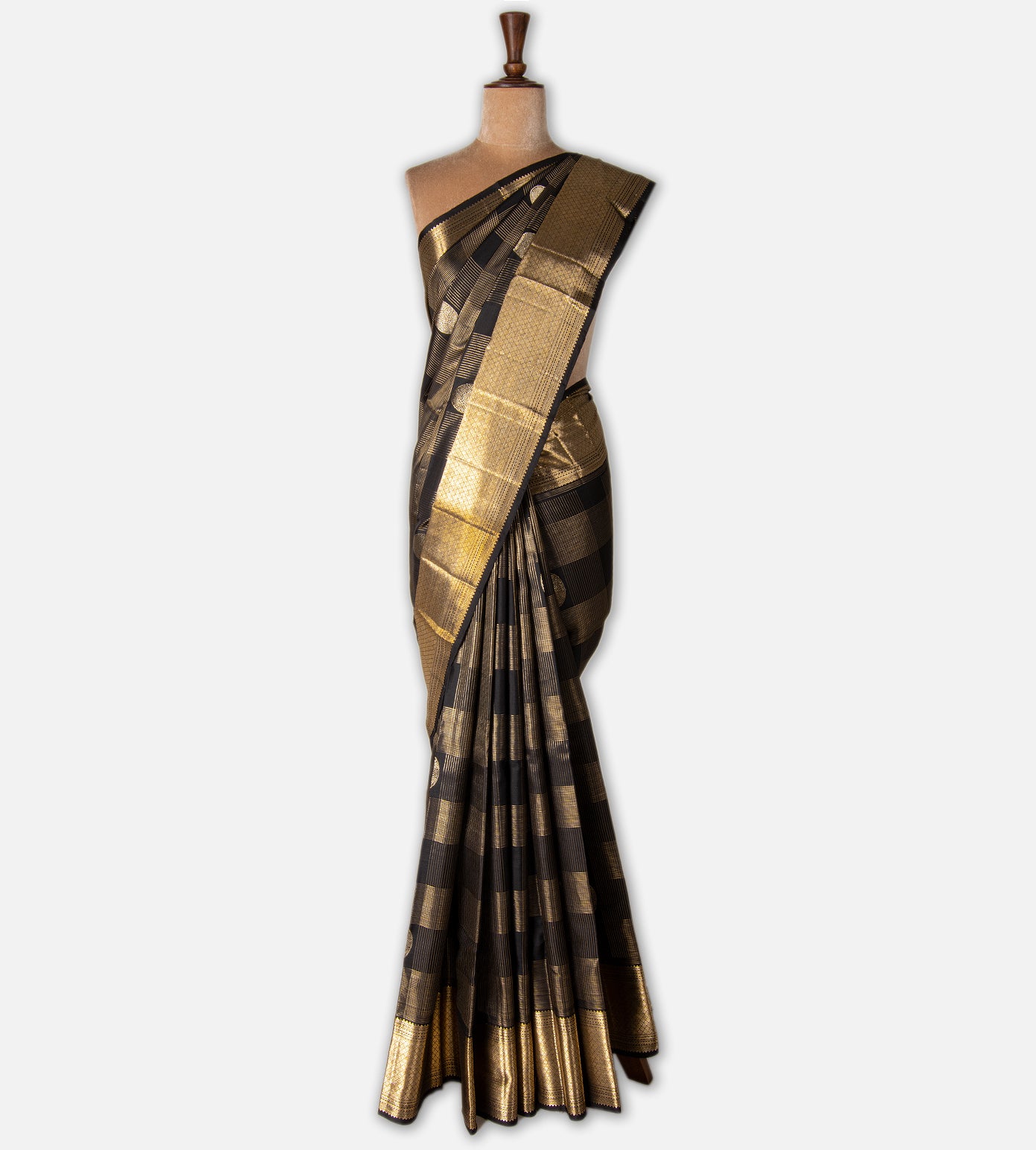
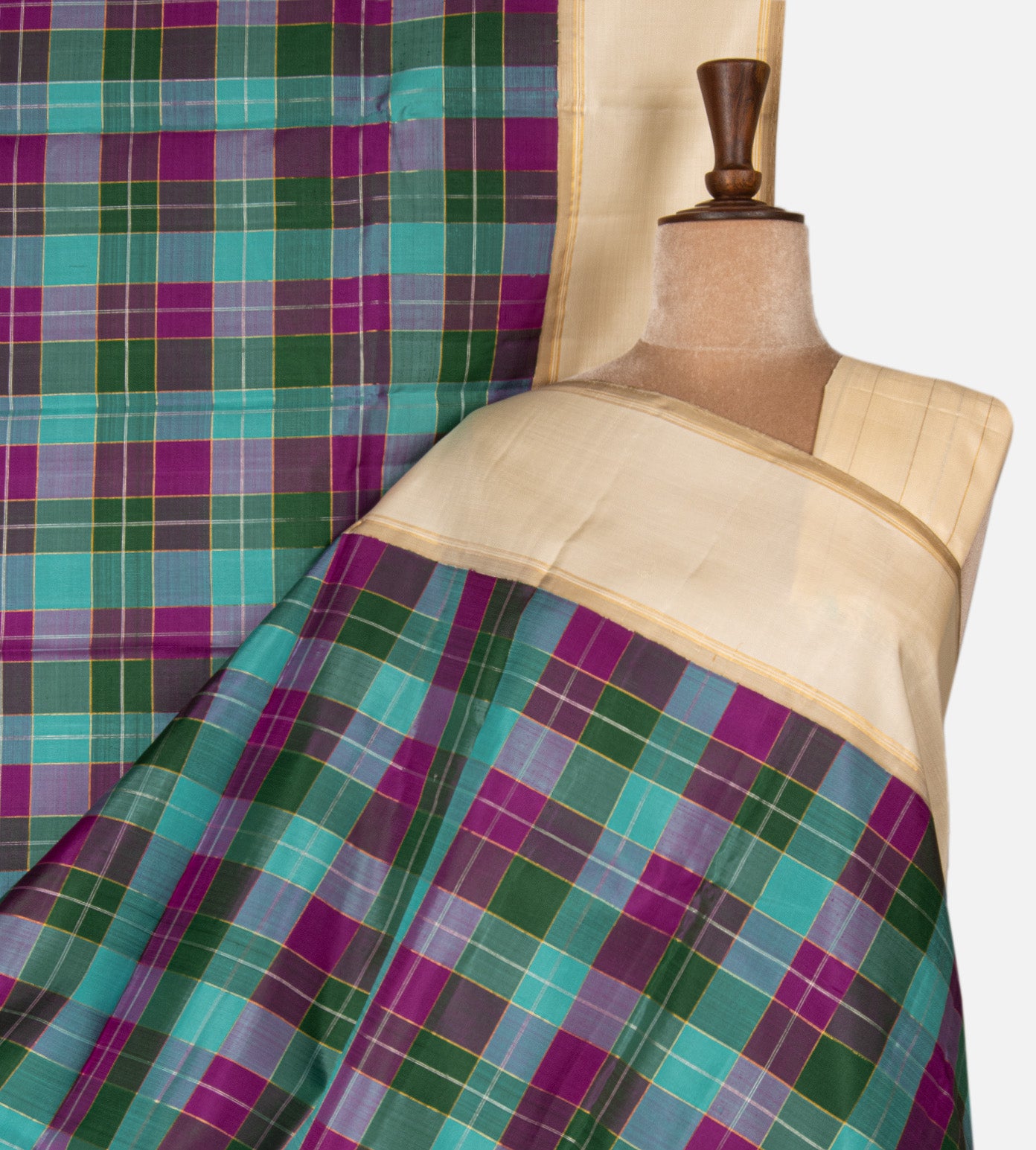
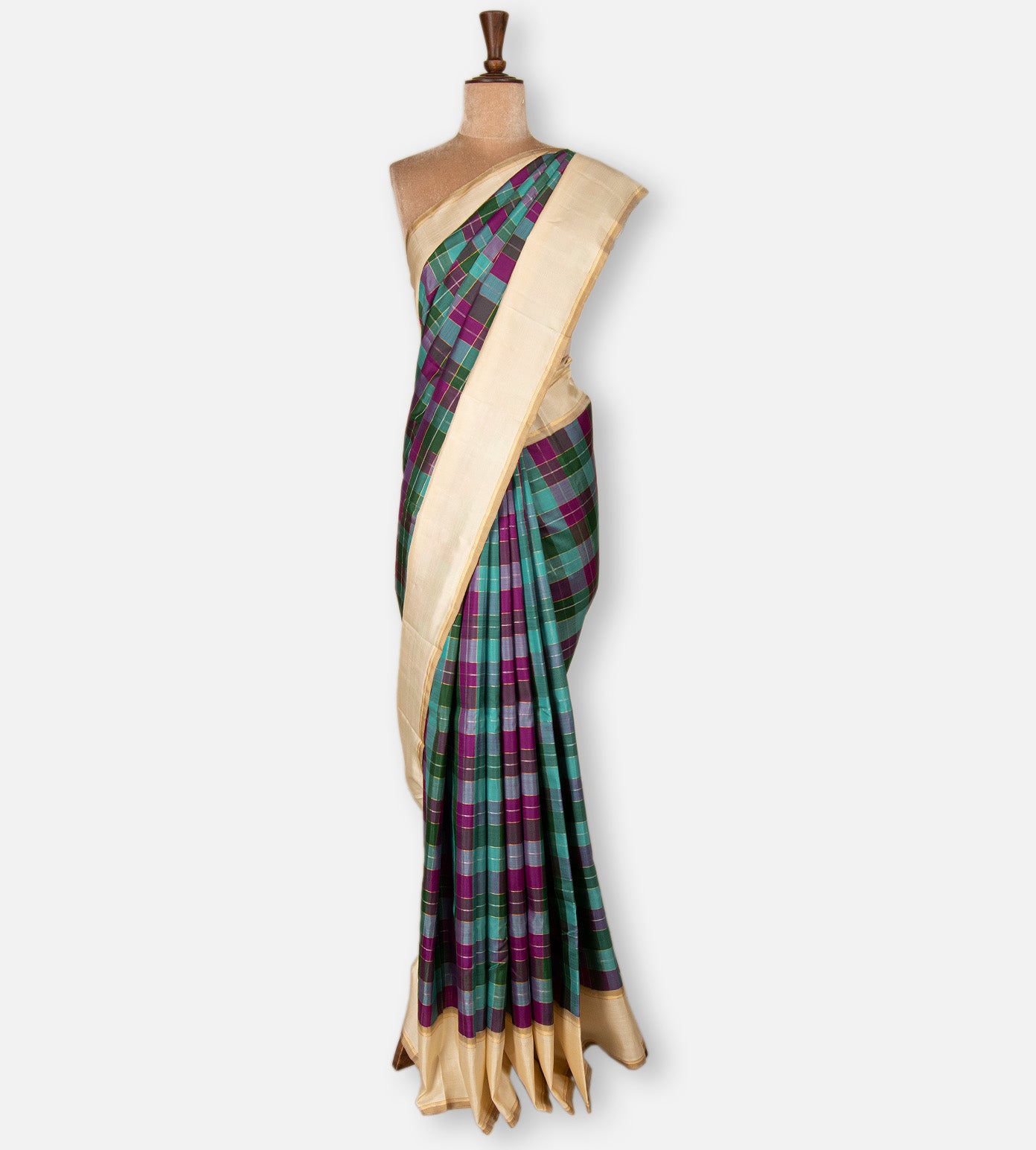
Pattern woven directly into the fabric during the traditional weaving process, giving texture without added embellishment.
Fusion Traditional Kanjivaram Sarees
Traditional weaving techniques applied to more contemporary colour palettes and lighter overall styling.
Bridal Silk Sarees – Traditional Kanjivaram Sarees For Wedding
A bridal saree isn't bought the way other sarees are, it's chosen with a ceremony, a family, and years of memory in mind. Our traditional Kanjivaram sarees for wedding range is built around exactly that weight of decision.
Choosing Bridal Traditional Kanjivaram Sarees for Your Wedding
This is rarely a decision made on colour alone. A bridal traditional Kanjivaram saree carries family expectation, ritual significance and personal taste all at once, so our range spans deep classic reds through to gentler, more contemporary shades for brides who want tradition without going fully bold.
Figuring Out What Works for You
Begin with the practical questions, which ceremony you're dressing for, what jewellery you already own or plan to wear, and which colours genuinely feel like you. A fully traditional bridal look calls for a strong contrast border, an elaborate pallu and rich, saturated colour. Want something gentler? Borderless weaves or muted tones deliver a softer version of the same heritage. Jewellery plays into this too, an elaborately worked saree looks best against simpler pieces, while a quieter saree gives statement jewellery the space to stand out.
Colours That Work Well for Traditional Kanjivaram Sarees for Wedding
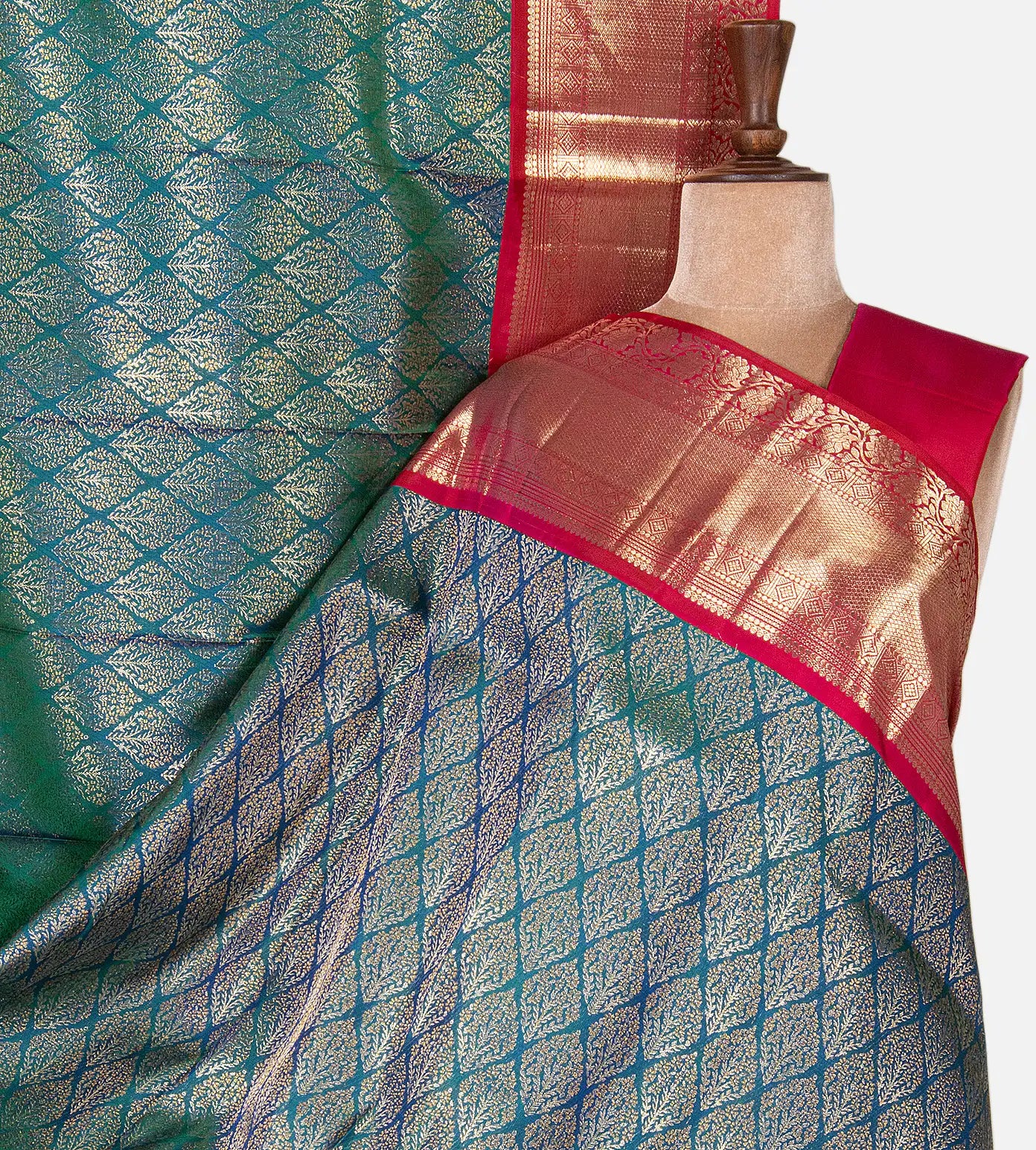
Red and maroon remain the default for a reason, they're unmistakably bridal and unmistakably South Indian. Green, purple, mustard, royal blue and gold all hold their own as alternatives. Pastels have also found their way into bridal wardrobes recently, for brides who want tradition rendered a little more softly.
Spotting a Genuine Traditional Kanjivaram Sarees
Authenticity shows up in details that are easy to miss if you're not looking closely: the weight and texture of the silk, how cleanly the border joins the body, whether the motifs are sharp or blurred, how the pallu is finished. Buying online adds one more layer: a seller who's specific and transparent about weaving technique and materials is usually the more trustworthy one.
What Determines the Price of a Traditional Kanjivaram Saree?
Price is driven mainly by silk quality, the weaving technique used, how detailed the motifs and border are, and how much zari or embellishment goes into the piece. At Tulsi Madras, our range spans simpler festive pieces through to heavily worked bridal sarees, so there's a traditional Kanjivaram saree at more than one price point.
Taking Care of Your Traditional Kanjivaram Sarees
A saree like this deserves a bit of looking after. Keep it away from direct sunlight and damp spaces, fold it gently, and refold every so often so creases don't settle permanently in one spot. When it needs cleaning, stick to professional dry cleaning, especially if there's zari, threadwork or embellishment involved. Treat it well, and a traditional Kanjivaram saree doesn't just last; it becomes something you might one day pass down.
Traditional Kanjivaram Sarees Online Shopping at Tulsi Madras
Shopping for a traditional Kanjivaram saree at Tulsi Madras is built to happen entirely on your terms, whenever it suits you, no store visits, no compromising on what's left in stock. Our collection spans classic weaves through to fusion-leaning pieces, organised by occasion, colour and budget so you're not scrolling endlessly to find what you actually want. Every saree is laid out with clear details upfront, so you know exactly what you're choosing before it reaches your cart.
Authenticity and Handwoven Guarantee
Every saree here carries the weight of genuine craftsmanship and the heritage of Kanchipuram weaving behind it. Korvai or fusion, bold or understated, we want you to find something that actually feels like you.
Shipping and Delivery
Ordering online means your saree comes straight to your door, wherever that happens to be. We ship across India, so your traditional Kanjivaram saree reaches you without a store visit involved at any point.
Returns and Support
Not entirely happy with what arrived? Our returns process is there for exactly that. Our support team is also happy to help if you're stuck comparing a couple of options or just want a second opinion before placing an order.
Frequently Asked Questions
How to identify a pure Traditional Kanjivaram Saree?
Check the silk's weight and texture, how cleanly the border is joined, and whether the motifs look precise rather than blurred. A seller who's transparent about weaving technique is generally a safer bet.
Why are Traditional Kanjivaram Sarees so costly? How do I identify a genuine, authentic saree?
Cost reflects silk quality, weaving complexity and how much zari or handwork goes in. To ensure authenticity, buy from sellers who are open about the construction and detail their product.
Which colours are popular for Traditional Kanjivaram Sarees?
Red, maroon, green, purple, mustard and gold remain the traditional favourites, though pastel shades have become a popular contemporary addition.
How many types of Traditional Kanjivaram Sarees are there?
Several. Korvai, borderless, silver zari, threadwork, checks, brocade and fusion are the main variations you'll find in our collection.
How do you identify whether the zari is real or not?
Appearance alone isn't reliable. Read the product description carefully and buy from a seller who states the zari composition clearly.
Which Tulsi Madras is best for Traditional Kanjivaram Sarees?
That depends on your occasion and taste. Browse the Korvai, borderless, silver, threadwork and fusion ranges and see which one suits what you have in mind.
Why are red and maroon Traditional Kanjivaram Sarees special for weddings?
They deliver a rich, classic bridal look that pairs naturally with gold jewellery, which has kept them the standard choice for South Indian weddings.
What makes Traditional Kanjivaram Sarees so unique?
The combination of pure silk, hand-joined contrast borders, temple motifs and centuries-old weaving technique- nothing else replicates that exact mix.
What is the lifespan of a Traditional Kanjivaram Saree?
With correct storage and professional cleaning, a well-made one can last decades, often long enough to be passed down within a family.
Do silk sarees from Kanchipuram come in pastel shades?
Yes, alongside the traditional deep colours, pastel Kanjivaram sarees have become increasingly common for brides and buyers wanting a softer look.
Explore More Kanjivaram Saree Collections
Banarasi Silk Sarees — intricate weaves and rich textures, perfect for festive occasions.
Soft Silk Sarees — a lighter, more comfortable silk drape for everyday festive wear.
Salwar Materials — put together outfits in colours and patterns that match your style.
Tussar Silk Sarees — natural texture and understated elegance for your saree collection.